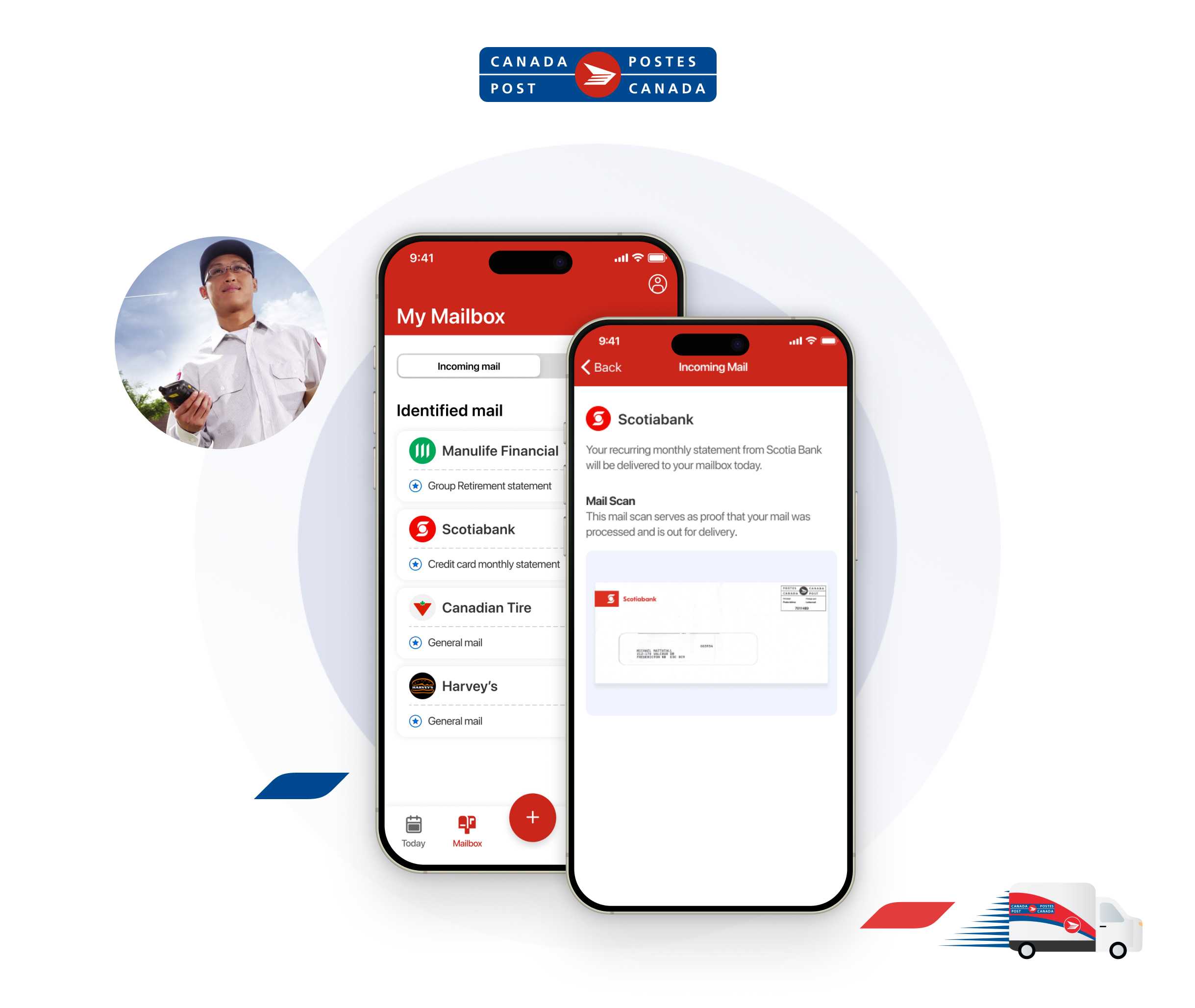
Canada Post has been delivering mail across Canada for over 250 years, connecting millions of households and businesses every day. As communication shifted from paper to pixels, the challenge was clear: transform the traditional mailbox into a secure, mobile-first digital experience without losing the trust and reliability Canadians associate with their national postal service.
The new Digital Mailbox reimagined how users receive, organize, and verify official mail from institutions like banks, insurers, and government agencies , all within one trusted app. It allowed Canadians to access their essential communications instantly, while Canada Post maintained its long-standing mission of safe, verified delivery now in digital form..
For decades, Canada Post has been one of the country’s most trusted institutions safely delivering sensitive documents like tax notices, financial statements, and legal correspondence. But as Canadians moved to digital-first communication, physical mail delivery no longer aligned with modern expectations for speed and security.
The Digital Mailbox initiative set out to modernize that experience turning paper delivery into a centralized digital hub where users could securely receive, organize, and access essential mail anytime, anywhere. The vision was to preserve the trust and reliability of Canada Post while meeting the expectations of a generation used to instant, mobile-first services.
Unlike digital-native products, the physical mail system carried decades of infrastructure, regulation, and customer habit. The challenge was to translate a familiar offline ritual into an effortless online experience one that felt trustworthy, personal, and human.
We needed to address pain points such as slow delivery visibility, lost correspondence, and lack of centralized access, and even worker strikes, while introducing new capabilities like real-time tracking and digital mail scanning. The goal was not just to digitize the mailbox, but to reimagine what “delivery” means in a digital era, fast, transparent, and always within reach.
I led the design workstream for the Digital Mailbox initiative in partnership with Product Manager Cyndalia Fernandes and Development Lead Pirdad Sakhizada, collaborating closely with engineering, research, and QA. Our cross-functional team operated across multiple departments from logistics and operations to digital innovation aligning around a shared mission: to modernize how Canadians receive and interact with their mail.
My responsibilities included mapping user journeys across physical and digital touchpoints, auditing existing mail workflows, and creating prototypes that balanced trust, usability, and scale. This meant translating postal infrastructure into intuitive mobile patterns while maintaining the emotional reliability people associate with Canada Post.
Canada Post handles over 8 billion mail items annually, making operational efficiency and user satisfaction critical to its mandate. The Digital Mailbox aimed to reduce the costs of physical processing and customer inquiries while increasing adoption of digital self-serve tools. From a strategic standpoint, the project sought to:
By turning a legacy mail process into a data-driven digital service, we enabled Canada Post to evolve its role from mail carrier to trusted national communication platform.
To ensure the digital experience felt intuitive, I benchmarked patterns from leading email, parcel tracking, and fintech apps to understand how users interpret trust and delivery states. We studied how platforms like Apple Mail, Gmail, and FedEx communicate reliability and progress translating those insights into clear, accessible design language.
I also analyzed OS-level patterns from iOS and Android to ensure users could navigate seamlessly without learning new behaviors. The result was a familiar yet distinctly Canada Post experience, combining the warmth of a national brand with the precision and clarity users expect from modern digital products.
Users valued transparency and familiarity, they wanted to know what was arriving, when, and from whom. Many found it stressful when important mail like tax forms or bills, was delayed or unclear. Clean sender logos, clear delivery timelines, and real-time tracking updates built confidence and helped them trust the digital experience as much as physical delivery.
User research revealed that uncertainty during digital delivery was the main barrier to adoption, people worried about missed or misplaced mail. Our design focused on making the digital mailbox transparent, guided, and reassuring at every step. By surfacing sender details, delivery states, and expected arrival times, we helped users build trust and stay informed without needing customer support.
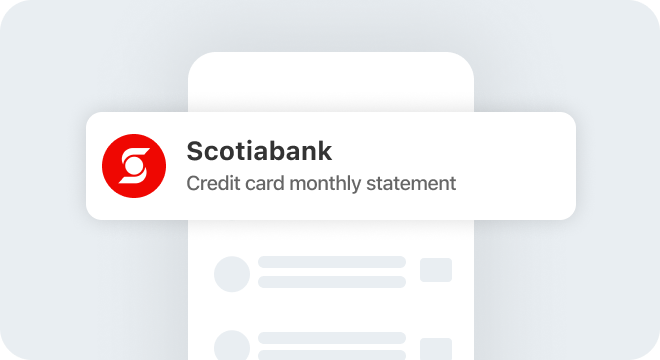
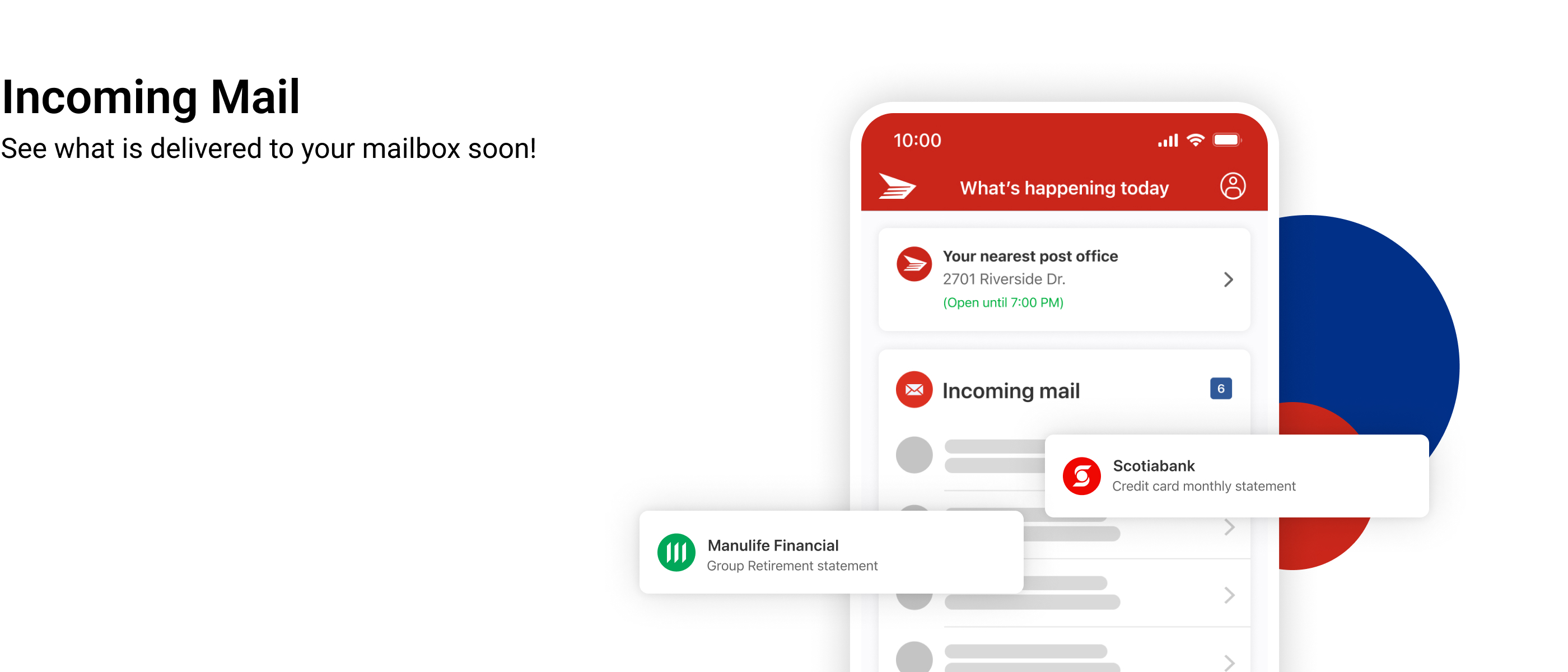
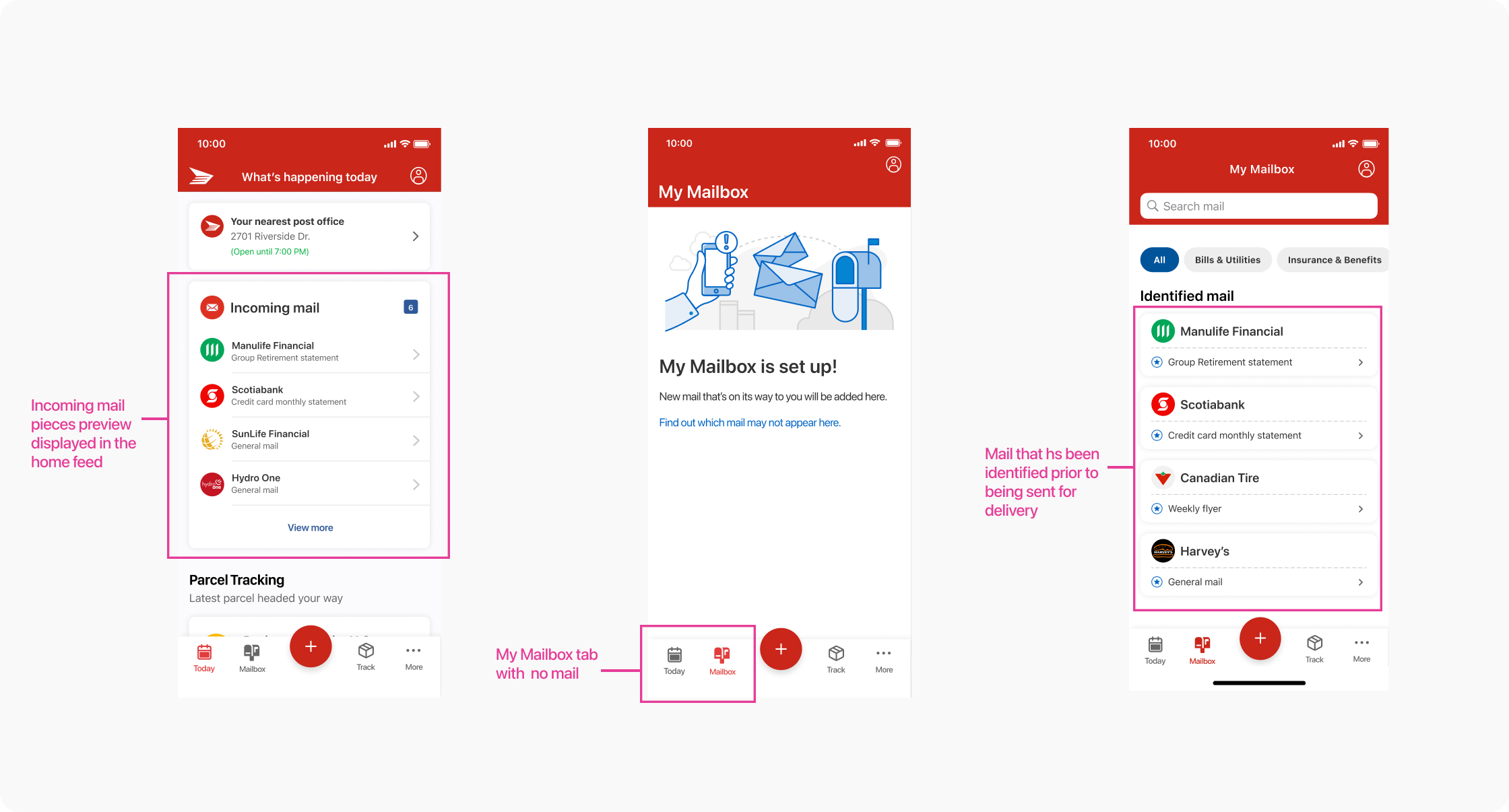
Show upcoming digital mail pieces directly within the app, replicating the physical experience of checking the mailbox. Users can see who the sender is, the type of document and the delivery status giving them confidence that their mail is on the way and nothing is missed.
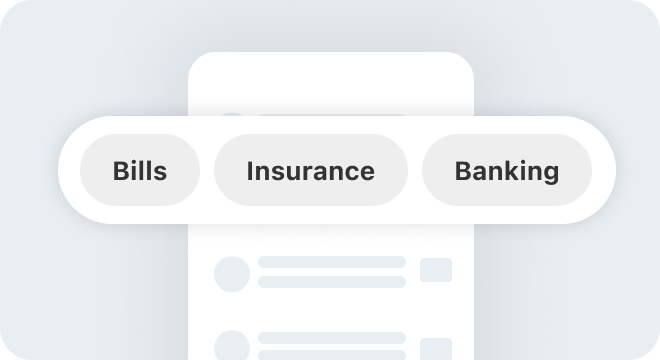
Each piece of mail is tagged based on sender and document type, making it effortless to browse, prioritize, or find specific items. This system mirrors how people organize physical mail at home, separating statements, payments, and notice, while offering the flexibility and speed of digital search.

Surface delivery states with clear, color-coded badges like On the Way, Delivered, and Delayed. By visually mirroring how users track parcels or deliveries, the badge system reinforces transparency and turns the digital mailbox into a familiar, reassuring daily routine.

Enable users to instantly find any piece of mail by sender, category, or document type through a single unified search. Results are dynamically filtered and grouped, allowing users to retrieve documents in seconds without navigating multiple screens.
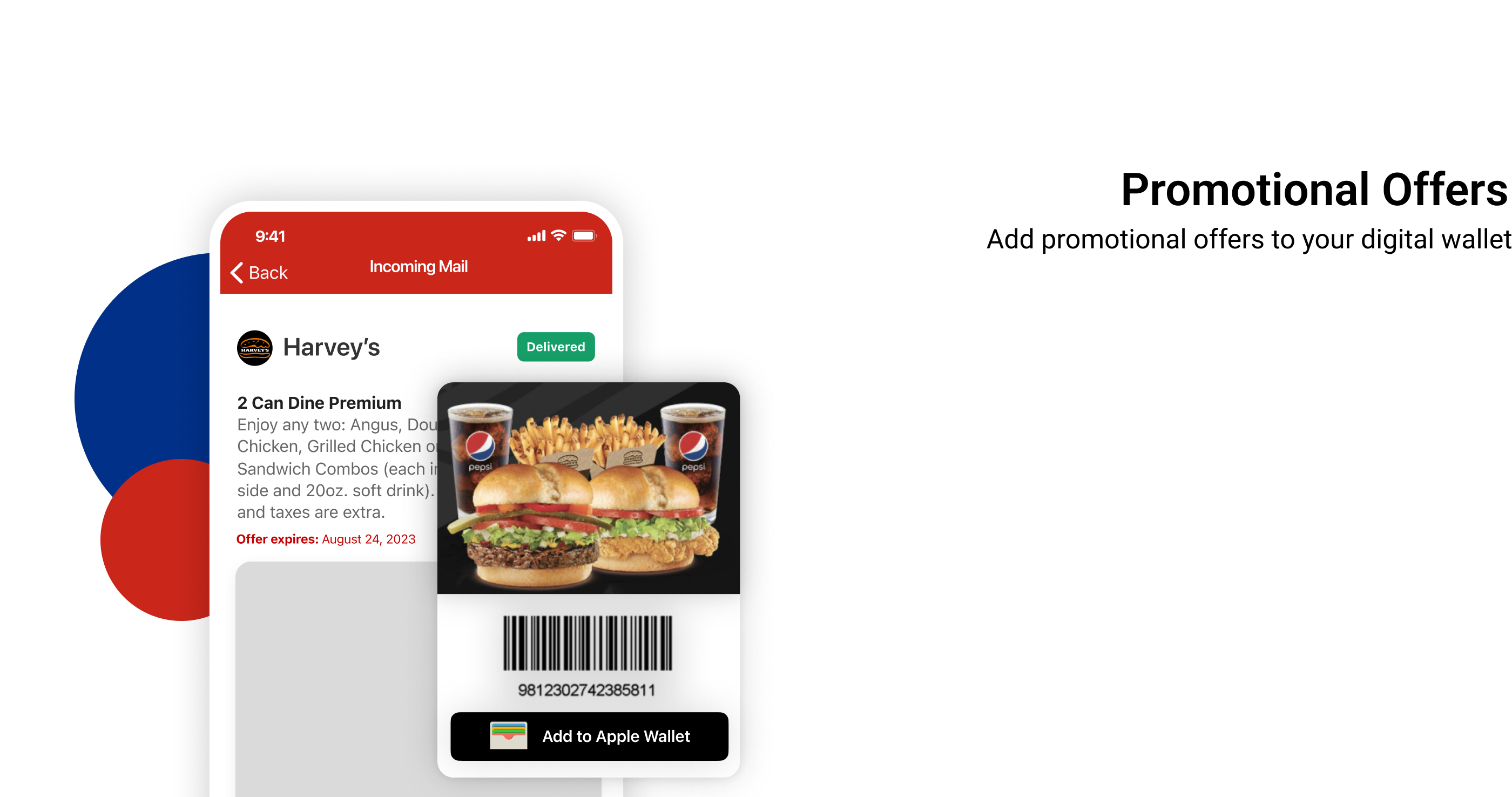

Users wanted an easy way to reference past mail without clutter. We created a Delivery History view that allowed people to quickly browse or search previous items by sender, category, or date. This simple archival layer transformed digital mail from a transient experience into a reliable, record-keeping tool — mirroring the way people organize physical documents at home.
Long-term retention was a top request from business and government users. We implemented secure cloud archiving that allowed people to store, retrieve, and verify official documents years later. By pairing encryption with accessibility, Canada Post reinforced its identity as a trusted custodian of national communications.
The Digital Mailbox initiative became a flagship of Canada Post’s digital transformation redefining how Canadians receive and manage official correspondence. By turning physical mail into a secure, accessible digital experience, we bridged the familiarity of paper with the speed and intelligence of modern communication.
Measured Outcomes:
The success of the Digital Mailbox demonstrated that a century-old institution can evolve without losing its human touch — using transparency, reliability, and thoughtful design to restore public trust in the digital era.

A nationwide rollout redefining how Canadians receive, trust, and manage official communications, bridging physical reliability with digital speed and security.
Through this initiative, I learned that digitizing mail isn’t just about convenience, it’s about trust. Canadians needed reassurance that official documents delivered digitally were as secure and authentic as paper. By aligning product, design, and engineering around that principle, we built a seamless and credible experience that mirrored the dependability of physical delivery.
I also learned that clarity reduces anxiety. Real-time updates, sender verification, and consistent visual cues gave users confidence in every interaction. Finally, designing with accessibility and inclusivity at the core proved essential, ensuring that every Canadian, regardless of age or ability, could benefit from a modernized, trustworthy postal experience.
Thanks to cross‑functional partners across product, research, engineering and operations.
Mentored 4 junior designers on accessibility testing and user research, perfecting their visual design craft and shaping them into confident contributors to future secure UX projects.