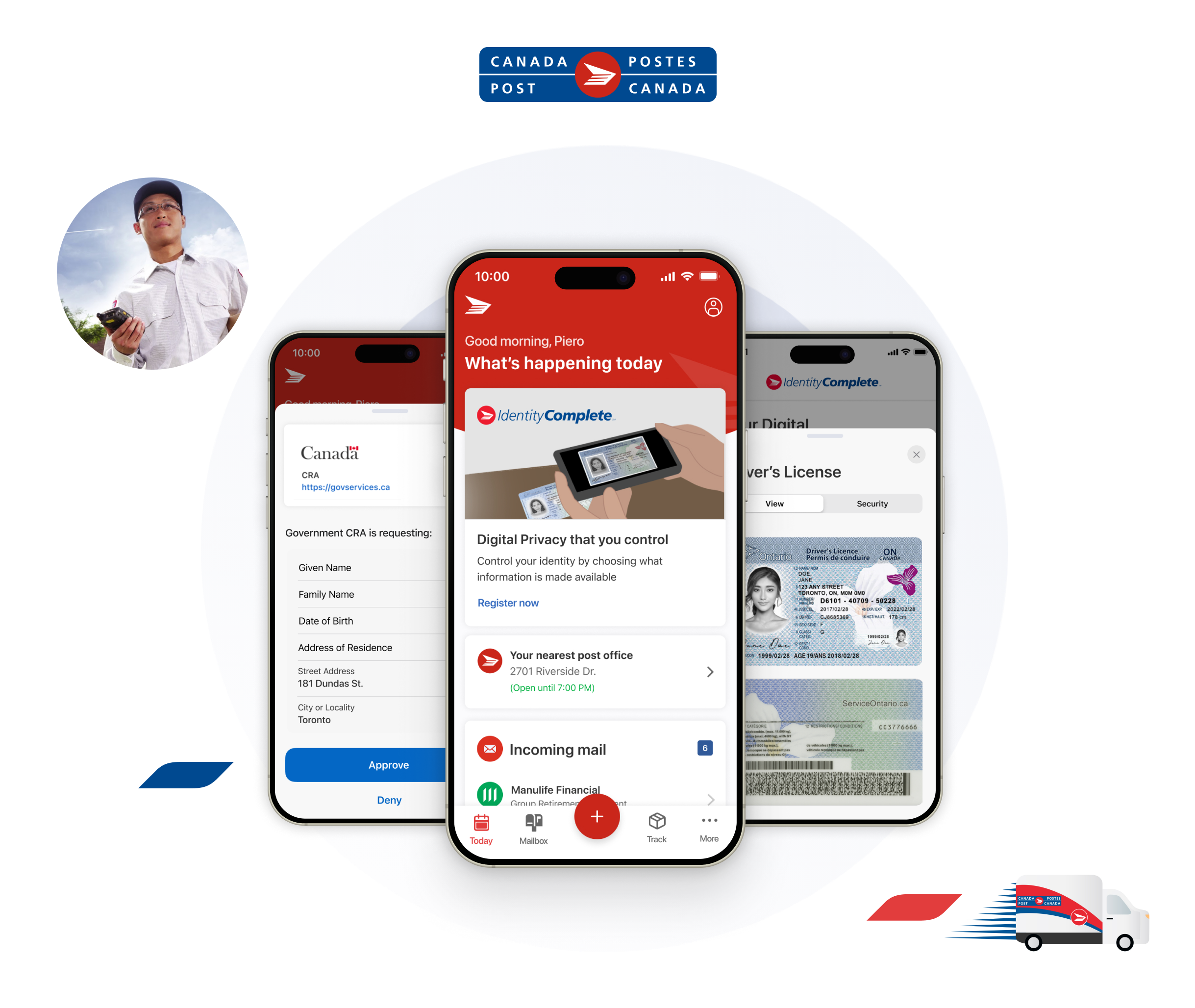
With over $11 billion in annual revenue, Canada Post Corporation is a Crown corporation regulated by the Federal Government and serves as the primary postal operator in Canada. It provides delivery and communication services to more than 16 million addresses nationwide, touching the daily lives of nearly every Canadian household and business.
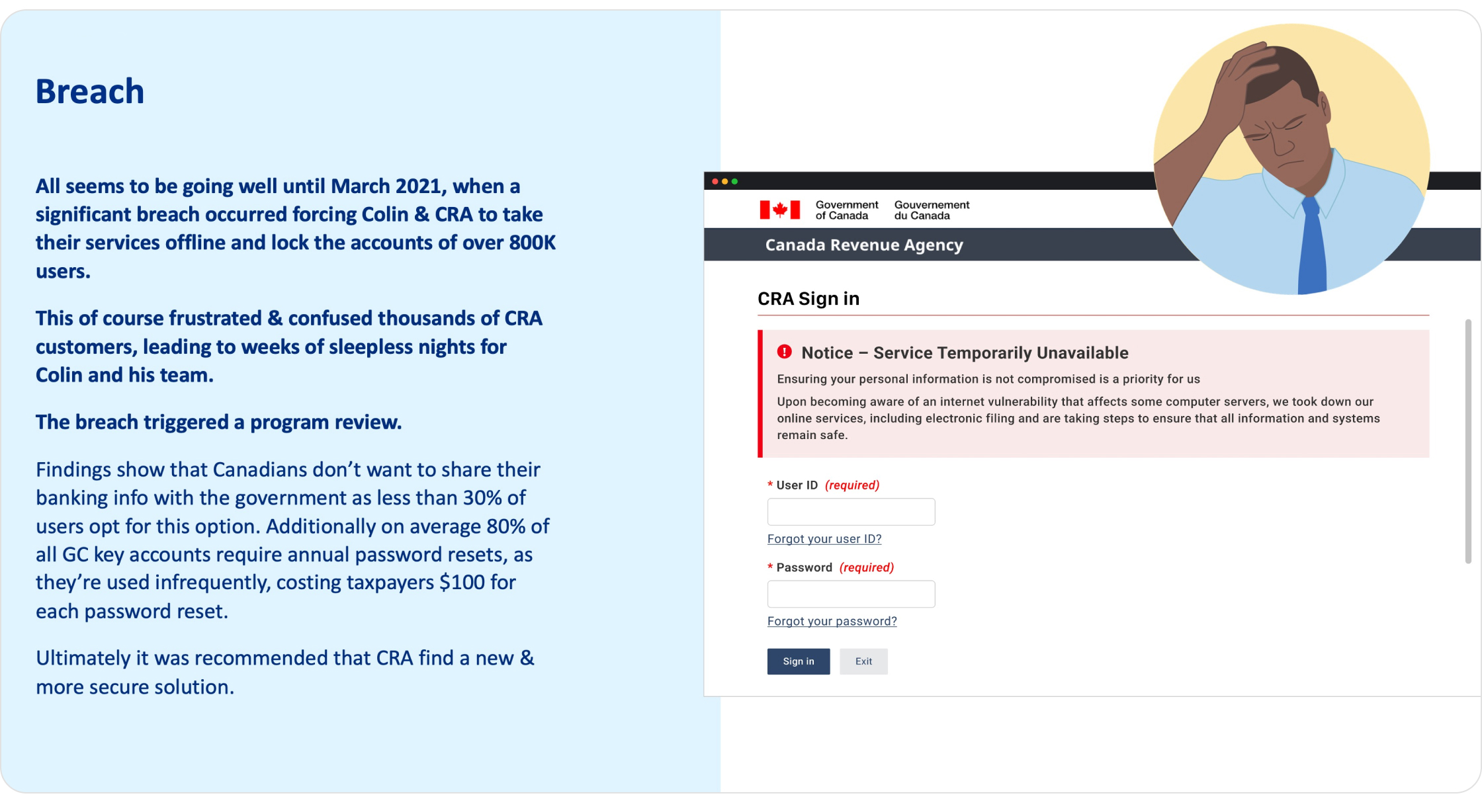
When identity theft concerns surged across Canada—particularly after the CRA data breach—Canada Post saw an opportunity to strengthen national trust in digital communications. We set out to modernize how Canadians verify their identity, track deliveries, and access official mail securely from their mobile devices.
Canada Post manages one of the largest communication networks in the country, serving millions of Canadians daily. Following high-profile government data breaches, public confidence in digital identity systems was shaken. Traditional verification methods relied heavily on manual ID checks, lengthy processing times, and paper-based confirmations—leaving users vulnerable and frustrated. The organization needed to evolve from paper mail management to a secure, mobile-first digital mailbox that could serve as a trusted channel for sensitive government and financial communications.
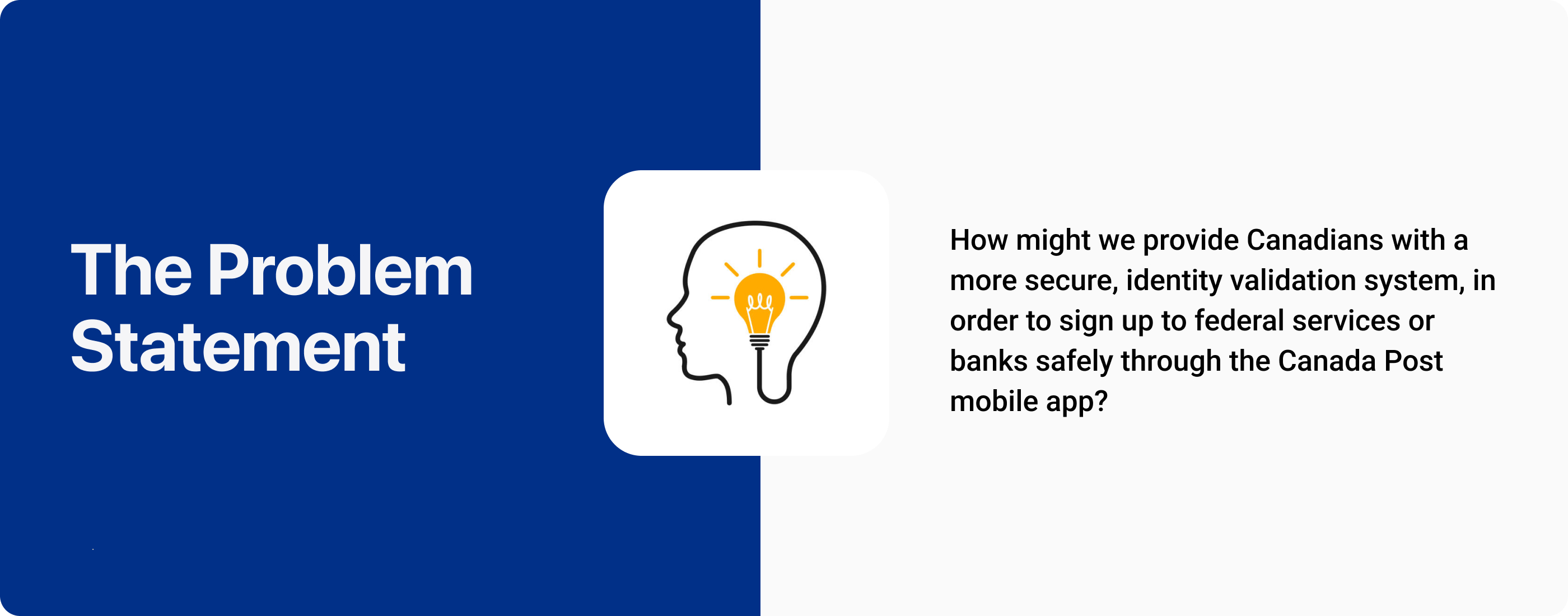
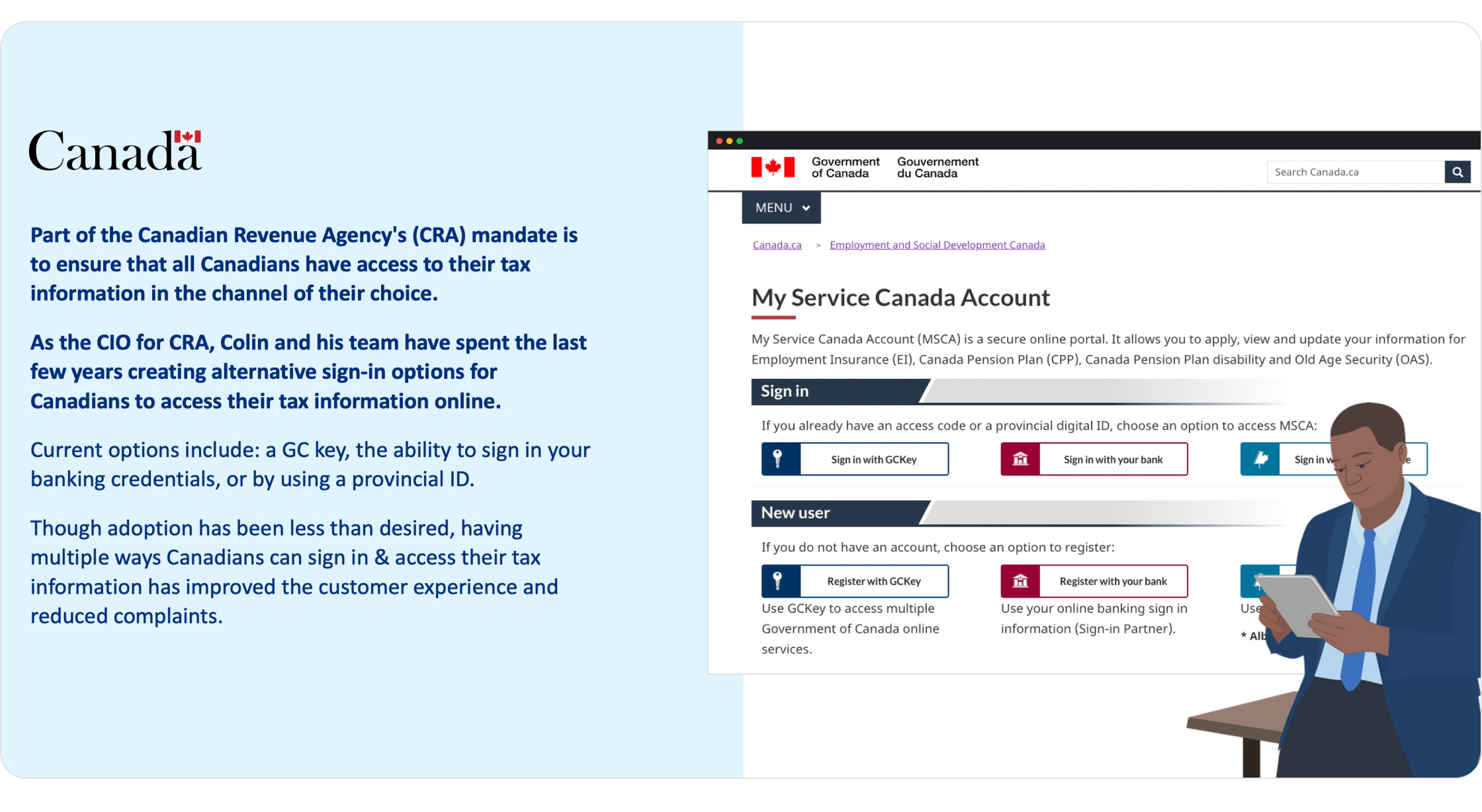
I owned the end-to-end experience for Canada Post’s identity verification mobile-first system. Working alongside Cyndalia Fernandes (Product Manager) and Pirdad Sakhizada (Development Lead), I led the product design workstream that united design, product, and engineering around a single goal — to make digital identity validation fast, secure, and effortless for millions of Canadians. Together, we aligned government-level compliance requirements with intuitive user experiences, creating a process that reduced verification time and increased public trust.
Canada Post’s leadership and The Canada Revenue Agency recognized that rebuilding public confidence required more than security upgrades it demanded a complete rethinking of how identity and mail were managed in the digital era. The goal was to position Canada Post as a trusted national provider of secure digital communication, comparable in reliability to banks but accessible to every Canadian. From a business perspective, the initiative aimed to reduce the heavy operational cost of manual ID verification and paper processing, while accelerating onboarding for government and financial mail users.
By leveraging mobile biometrics and automation, we targeted measurable outcomes: a 40% increase in digital identity enrollments, a 30% reduction in average ID verification time, and a 20% drop in fraud-related support tickets. This helped greatly improve user confidence and overall trust in digital government services.
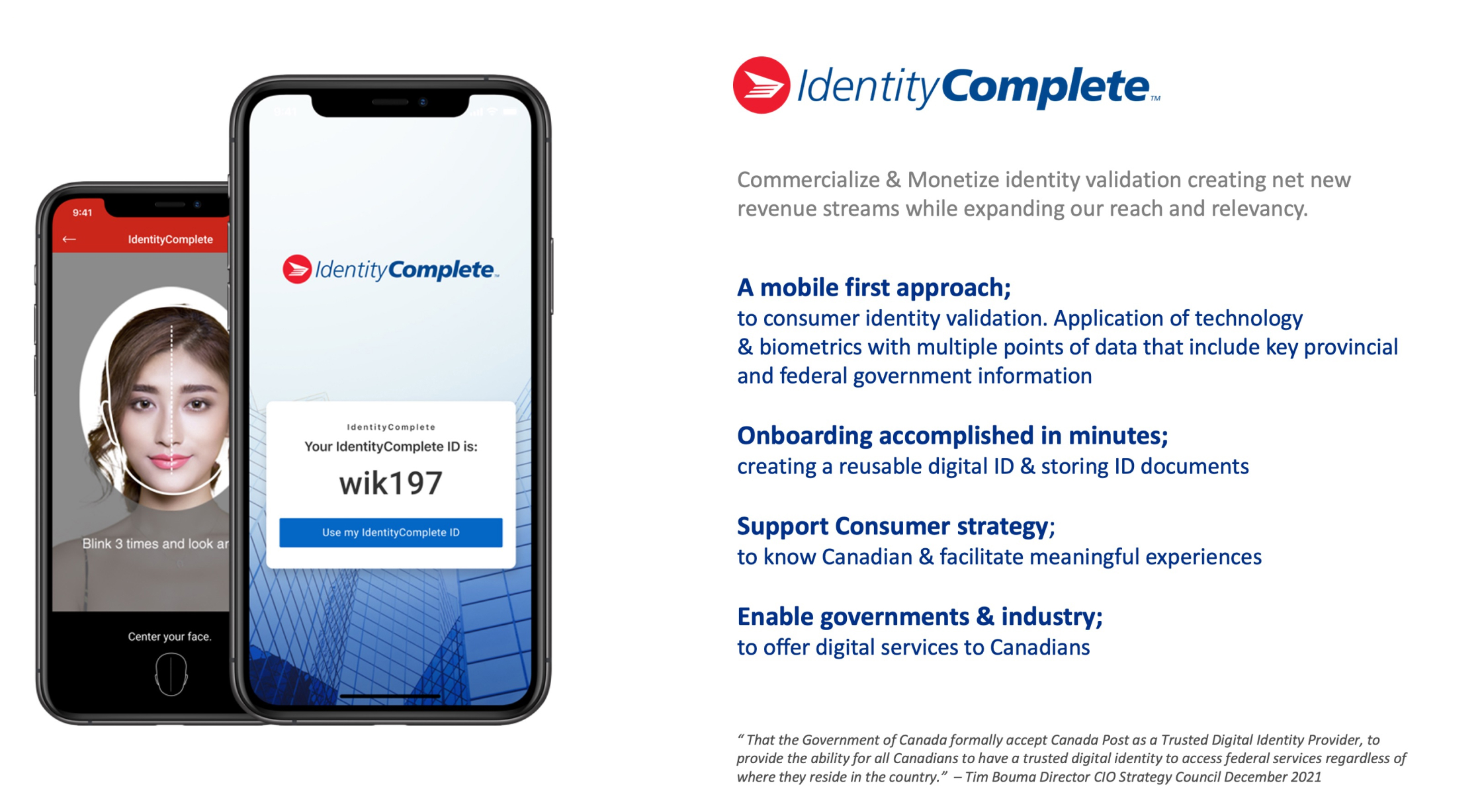
Benchmarked secure onboarding and ID verification models across public and private sectors to inform a more intuitive, compliant user experience.
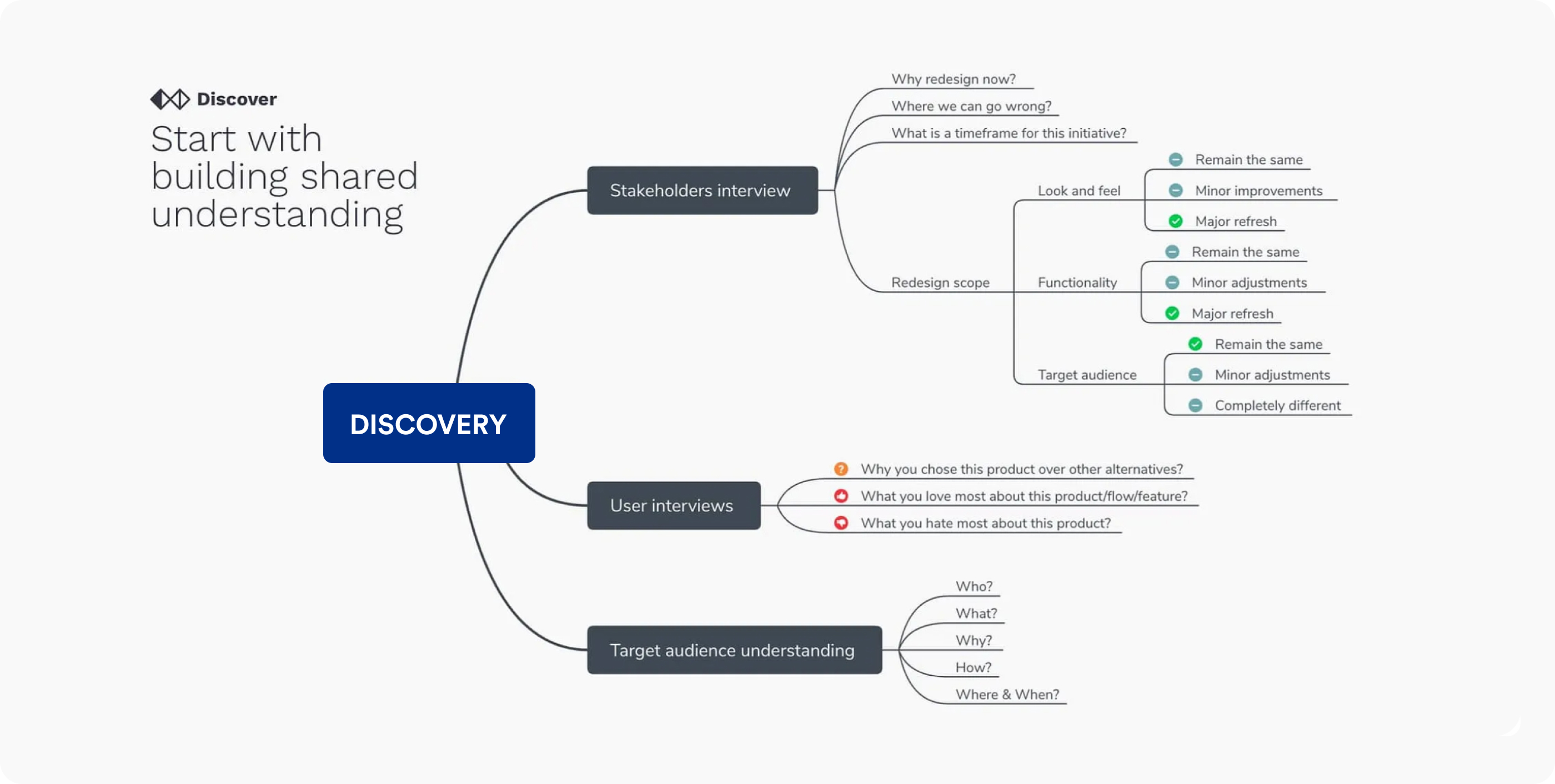
Interviews with 24 Canadians revealed:
These insights shaped our design principles around transparency and reassurance.
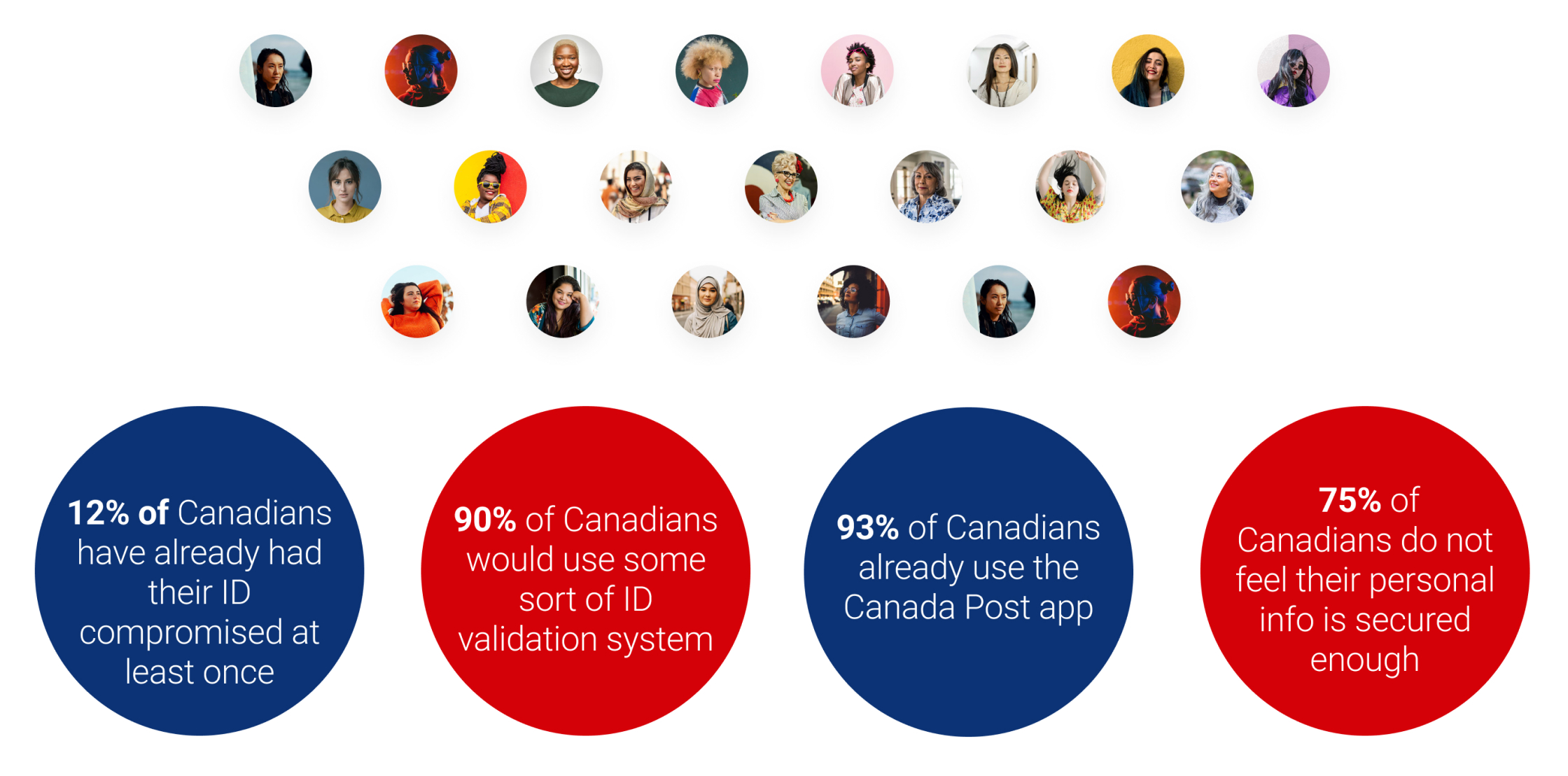
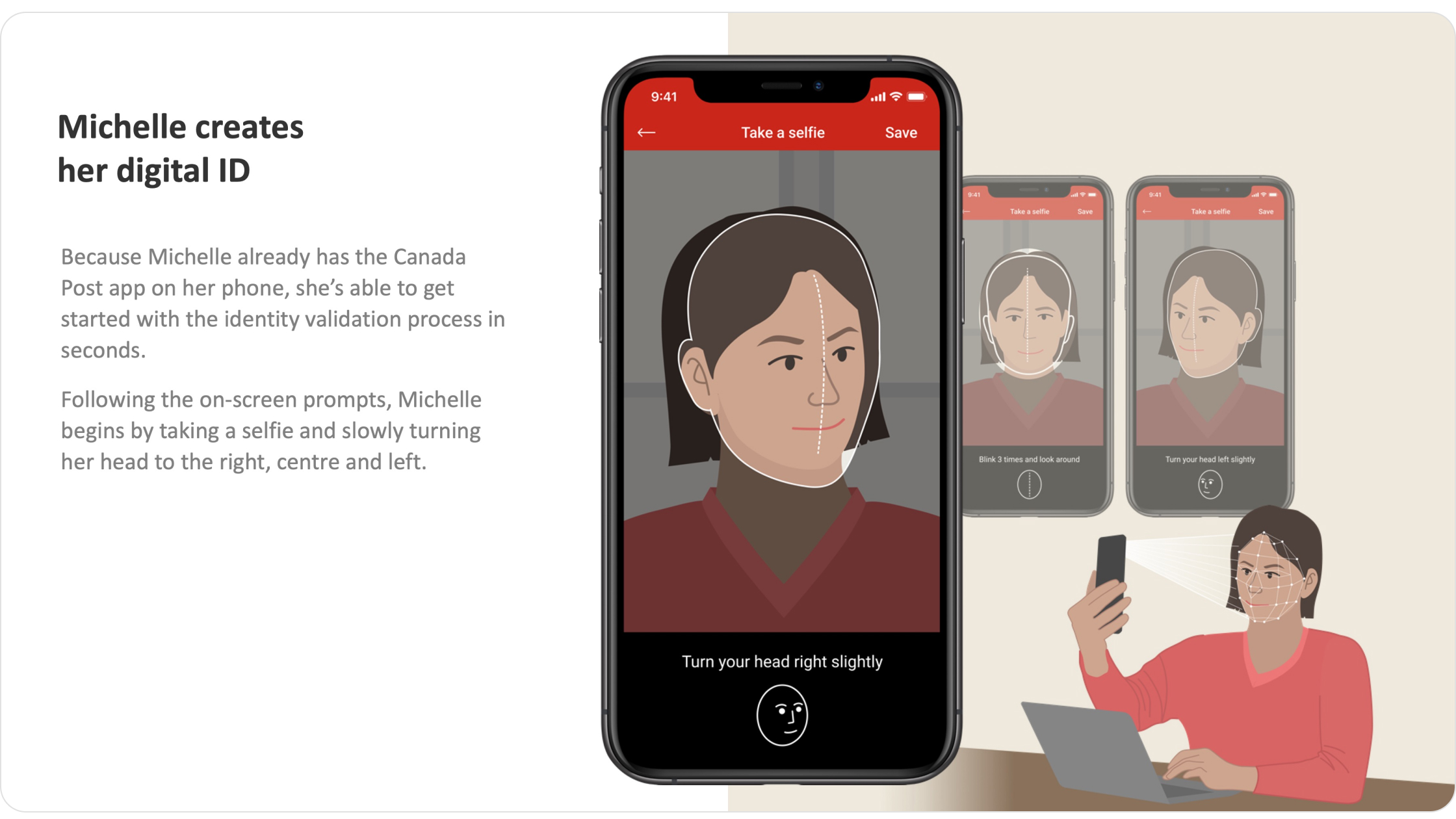
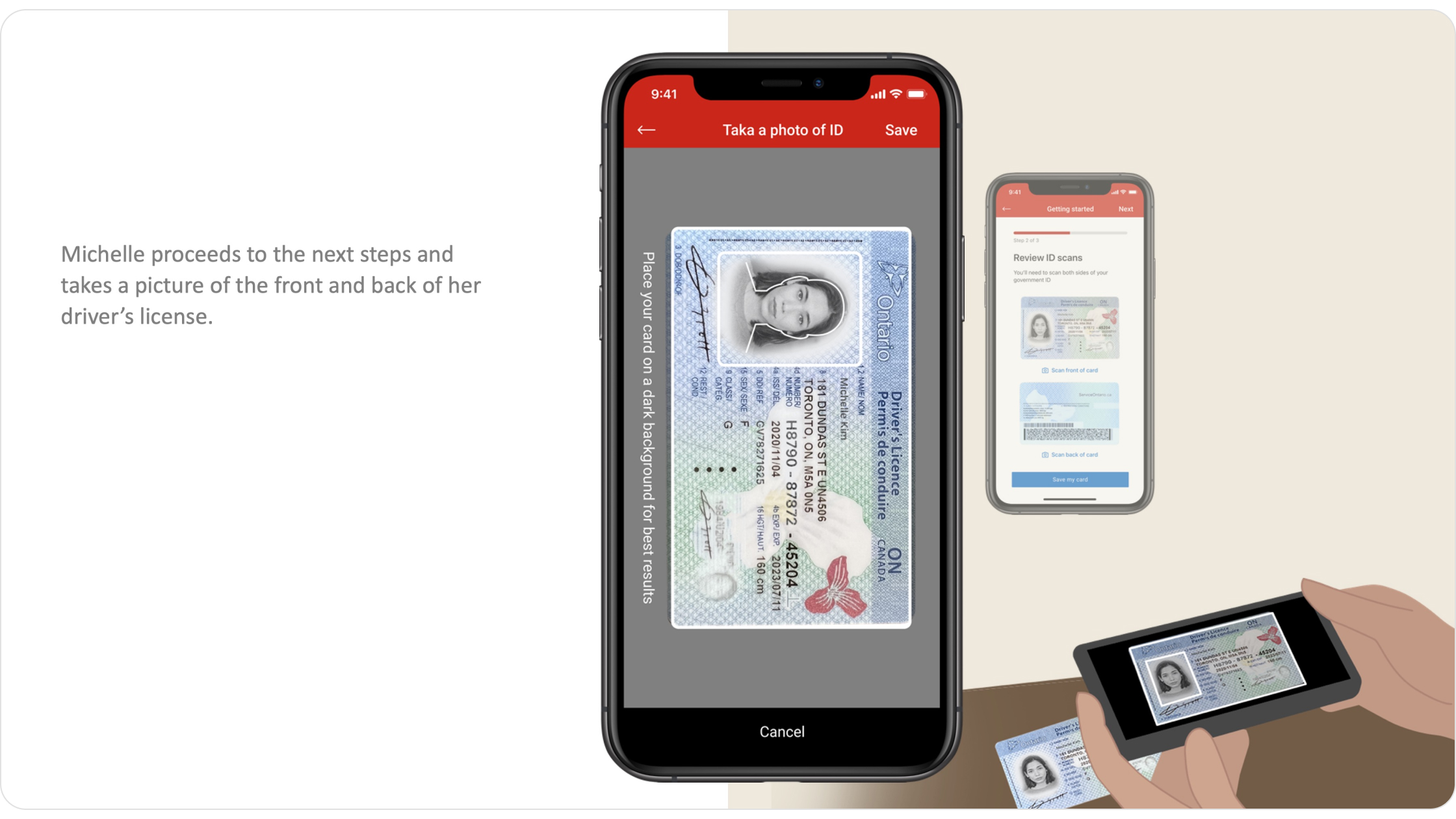
User research revealed that people felt uncertain and anxious during ID verification — they didn’t know what was happening or why. We identified opportunities to make the process more transparent, guided, and personalized to reduce friction and increase confidence. Leveraging the smartphone's camera and sensors to guide users through photo capture ID's and selfies with real-time feedback.

Use advanced face recogbnition to match a live selfie with government-issued ID. This reduces friction while encuring compliance with KYC and AML standards. This process is designed to be fast, accurate and accessible directly within the mobile experience, no physical branch visits.

Use advanced face recognition to match a live selfie with government-issued ID. This reduces friction while encuring compliance with KYC and AML standards. This process is designed to be fast, accurate and accessible directly within the mobile experience, no physical branch visits.
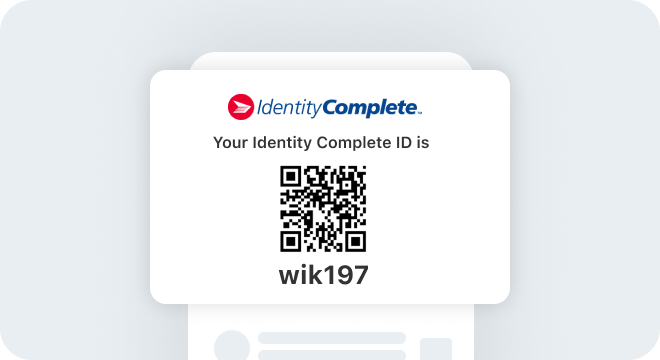
Once verification is complete, users instantly receive a personalized QR code representing their verified digital identity. This scannable ID can be securely shared with partner organizations for quick authenthication, eliminating the need to repeatedly upload documents or re-enter personal details.
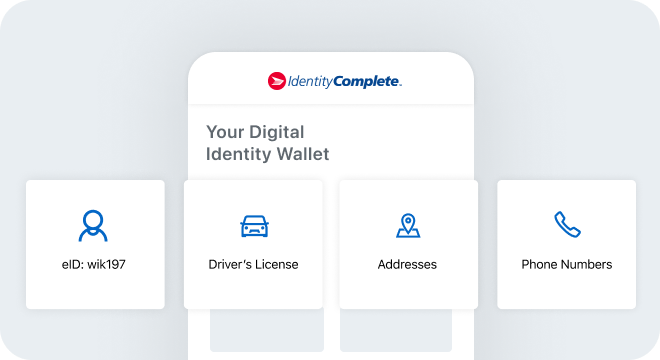
All verified ID credentials, photo ID, proof of address, and Canada Post QR Code, are securely stored within the digital wallet accessible through the mobile app. Users can view, manage and share their credentials only when they choose to, ensuring control and privacy remain in their hands.


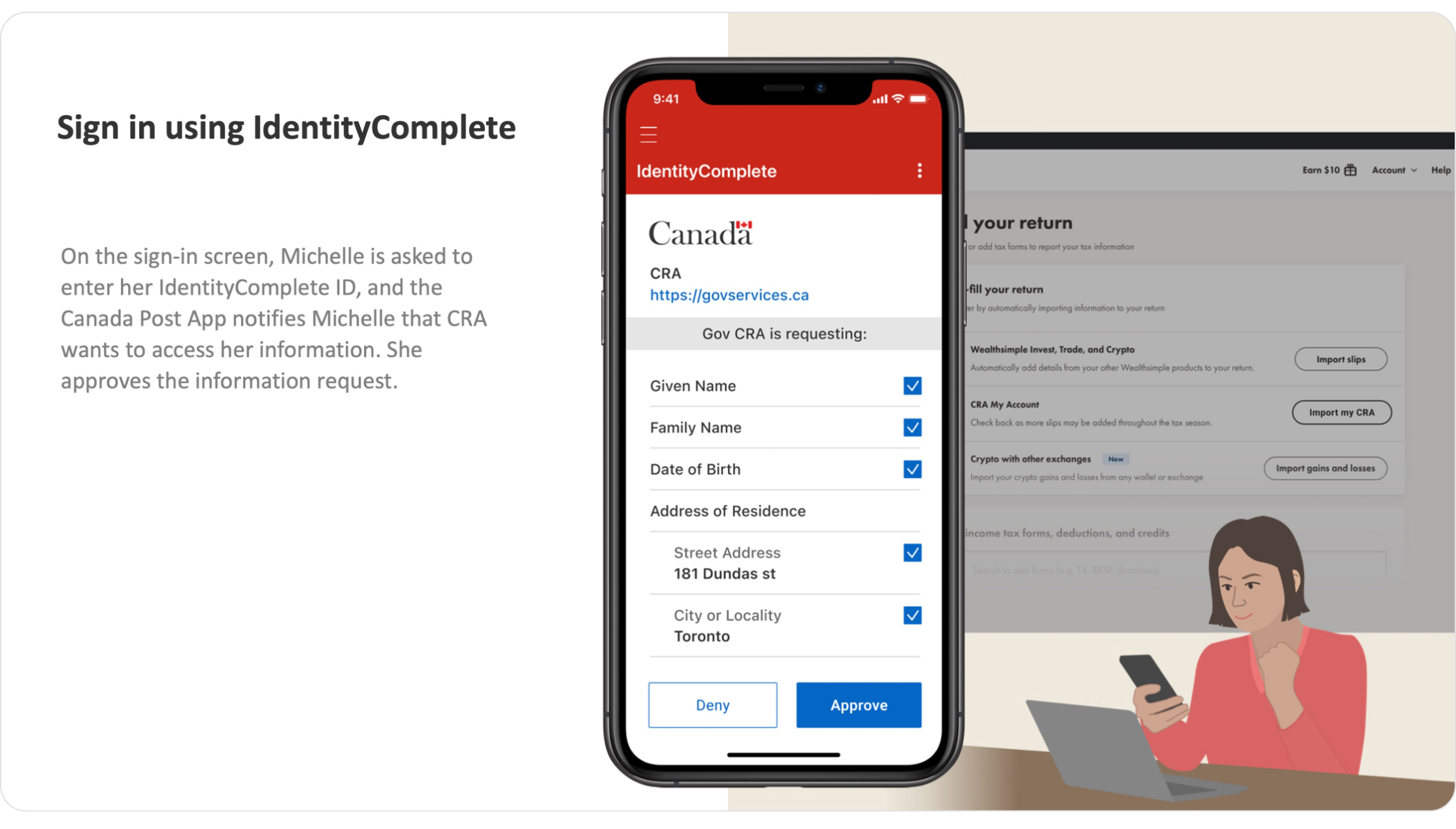
To extend the value of Identity Complete beyond verification, I designed a Digital Identity Wallet, a secure, centralized hub for managing verified personal information such as IDs, addresses, and contact details. The goal was to give Canadians visibility and control over their data, reducing the uncertainty and fragmentation that often accompany government interactions.
The wallet introduced granular privacy settings, allowing users to decide what information to share and with whom, while maintaining end-to-end encryption and biometric access. By combining transparency, self-service, and security, the digital wallet helped transform ID verification from a one-time task into an ongoing relationship of trust between citizens and Canada Post.
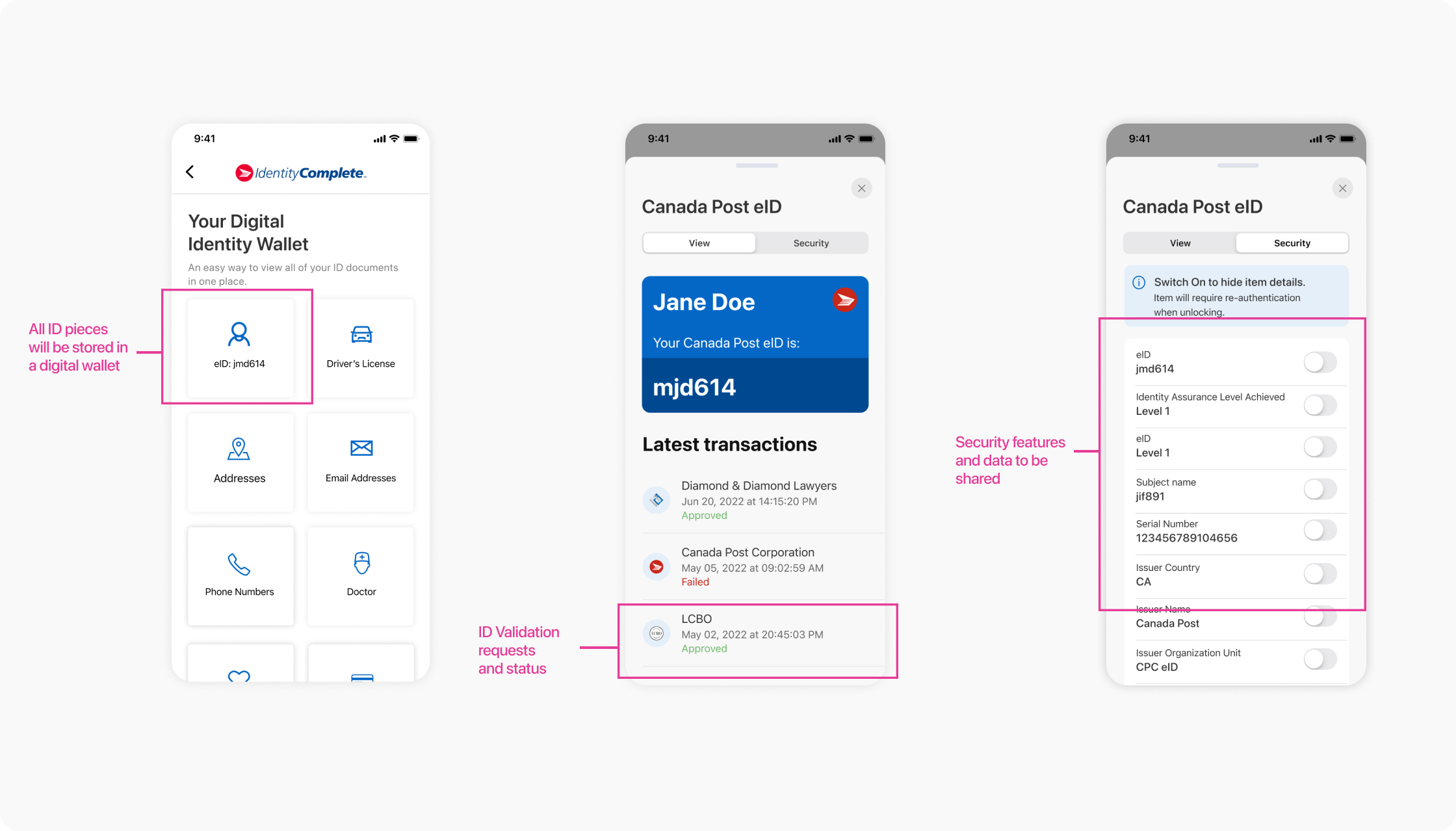
Digital wallet interface for managing eID and personal information with granular security controls.
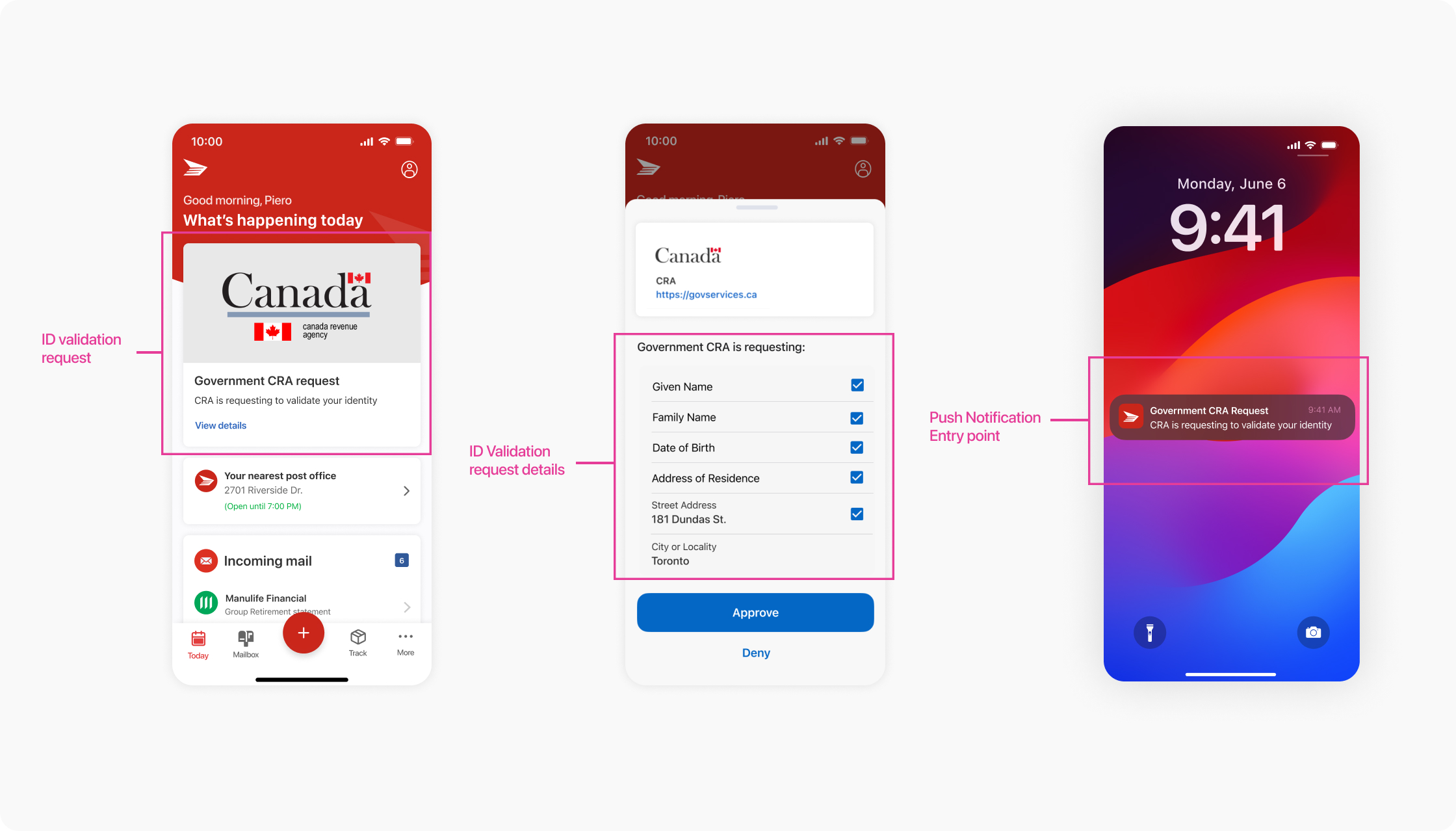
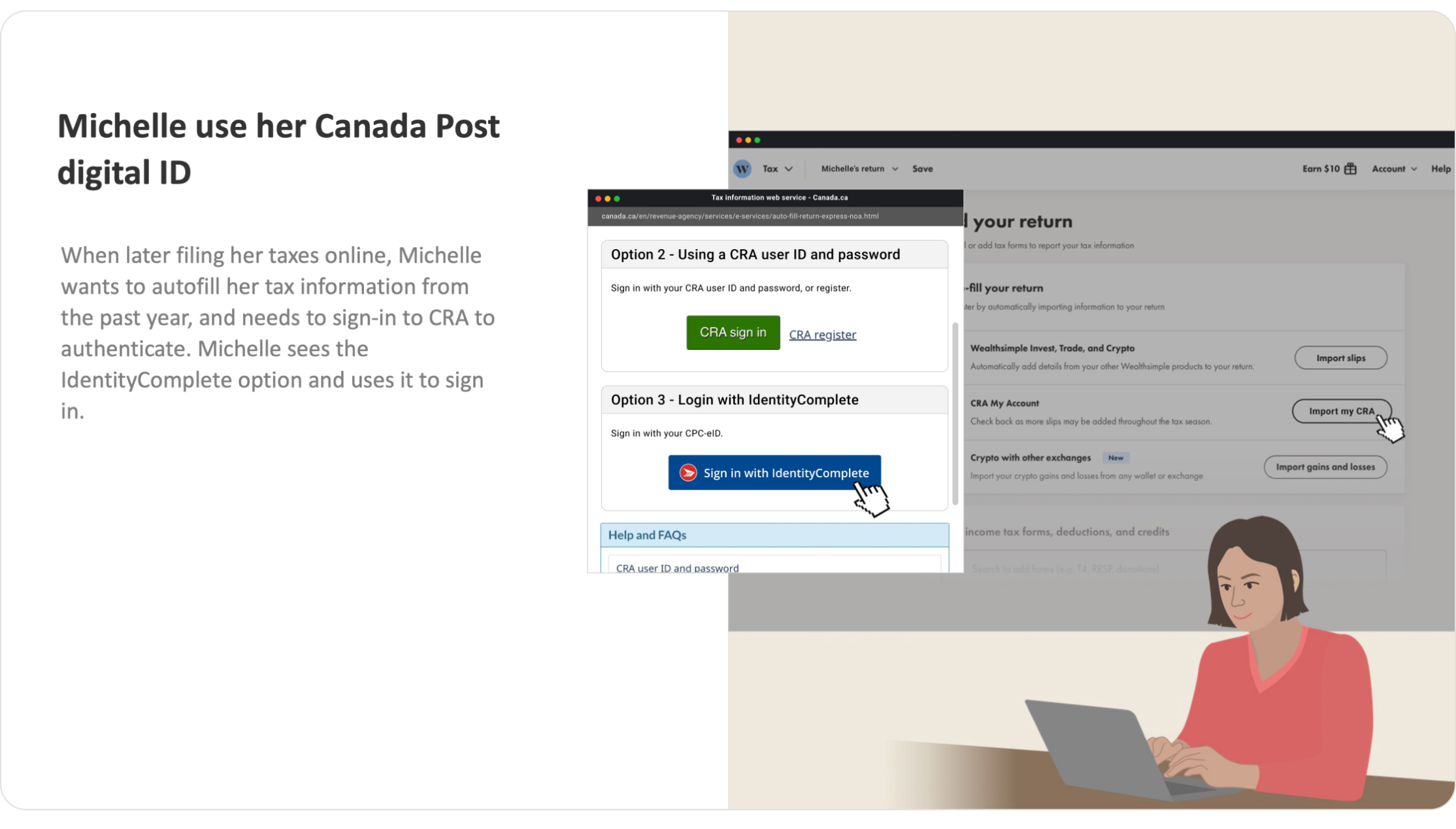
Complete ID validation request workflow from push notification to approval, showing CRA request details and user consent interface.
The Identity Complete initiative became a cornerstone of Canada Post’s digital modernization strategy — successfully bridging government-grade security with consumer-grade usability.
Measured Outcomes:
The success of Identity Complete demonstrated that digital trust could be rebuilt — not through stricter processes, but through smarter, human-centered ones.
Through this initiative, we learned that rebuilding digital trust goes beyond security protocols. It requires clarity, transparency, and accessibility. By aligning product, design, and engineering around a shared goal of trust, we simplified verification flows, reduced user confusion, and increased adoption. Clear communication, real-time feedback, and inclusive design standards proved essential in turning a complex government process into an intuitive, confidence-building experience.
In government and identity products, even small design changes can have major implications for user trust. During testing, we learned that adding more verification steps or visual warnings could actually increase user anxiety rather than confidence. The key was finding a balance — making users feel protected without feeling policed. Transparency, familiar UI patterns, and clear progress feedback became essential in creating a sense of safety rather than surveillance.
Working with a Crown corporation meant constant alignment with evolving privacy laws, cybersecurity standards, and interdepartmental approvals. Requirements often shifted midstream, forcing us to revisit assumptions and adapt quickly. Our success depended on designing modular components and flexible user flows that could scale or pivot without breaking the experience — ensuring delivery stayed on track even as constraints changed.
Canada Post’s digital transformation involved multiple platforms; mobile, web, and partner agency portals, each with its own legacy infrastructure. Building systematically across them allowed us to create consistency without redundancy. By leveraging a shared design system, we established accessibility compliance, visual alignment, and development efficiency — reducing handoff friction and future-proofing the experience for upcoming government integrations.
Thanks to cross‑functional partners across product, research, engineering and operations.
Mentored 4 junior designers on accessibility testing and user research, perfecting their visual design craft and shaping them into confident contributors to future secure UX projects.