Problem overview
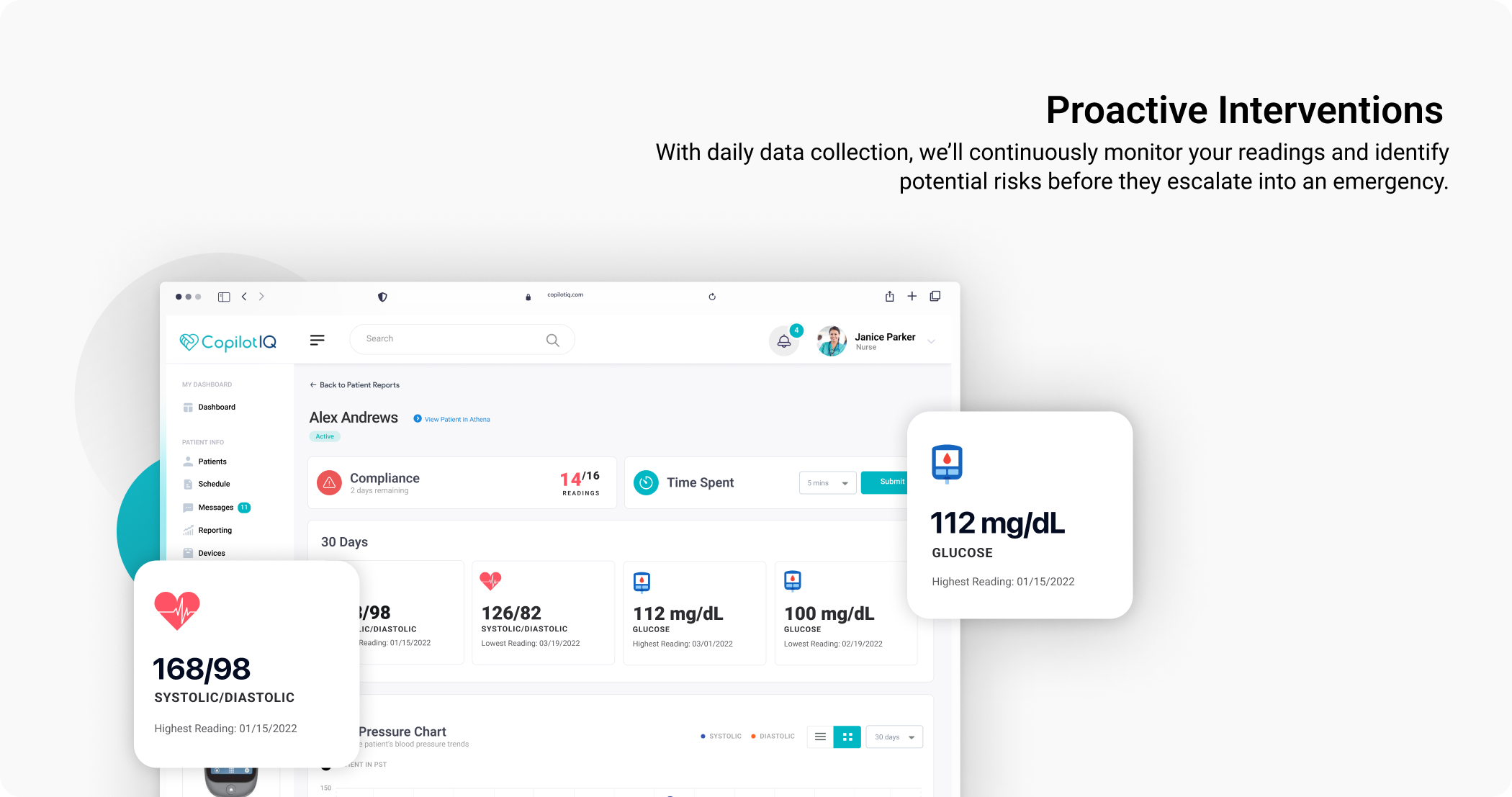
Diabetes and Heart disease are some of the most common life changing conditions in North America. While sugegstions of lifestyle changes are provided, sticking to them is unfortunately not always the case. Also, conventional care, typically works off a single blood pressure and glucose measurement yearly. This data point guides decisions around medication, dosage, and suggested lifestyle modifications. And with this lack of visibility, patients risk being incorrectly prescribed. Primary care physicians don’t have the data support they need.
- Inconsistent glucose measurements
- Inconsistent blood pressure measurements
- Lack of daily medical monitoring
- Higher risk of sickness and comorbidities
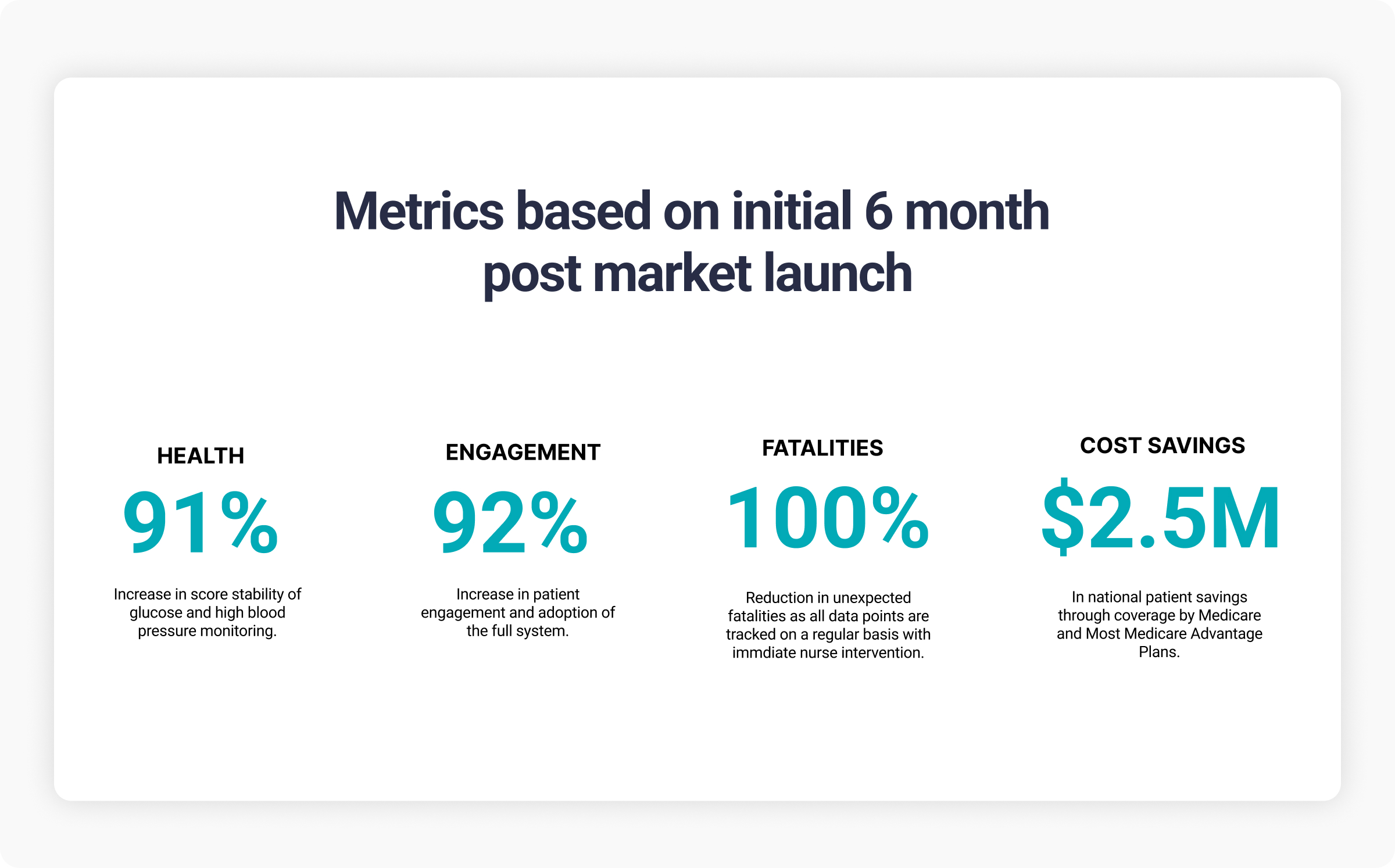
Success Metrics
The goal for the web platform is to leverage continuous monitoring and data analytics to offer a more nuanced understanding of each patient's health. This wealth of information will empower primary care physicians with the insights needed to make informed decisions regarding medication, dosage adjustments, and tailored lifestyle recommendations.
- High Patient Adherence Rate Measure the percentage of patients actively engaging with and adhering to the personalized lifestyle recommendations and health monitoring features of the platform, reflecting the effectiveness of the intervention in promoting sustained behavior change.
- Health Outcome Improvement Evaluate the platform's impact on key health indicators such as blood pressure and glucose levels over time, assessing whether continuous monitoring and personalized recommendations lead to positive health outcomes for individuals managing Diabetes and Heart disease.
- Physician Decision Accuracy Assess the precision of physicians' decisions by analyzing how often the insights provided by the platform align with medical interventions, ensuring that the data support enhances the accuracy of medication prescriptions, dosage adjustments, and lifestyle recommendations.
- User Satisfaction and Engagement Gauge the satisfaction levels of both patients and healthcare providers through surveys and user feedback, measuring the usability, accessibility, and overall satisfaction with the web platform. High levels of user engagement can indicate the platform's effectiveness in meeting the needs and expectations of its users.
Narrowing in the problem
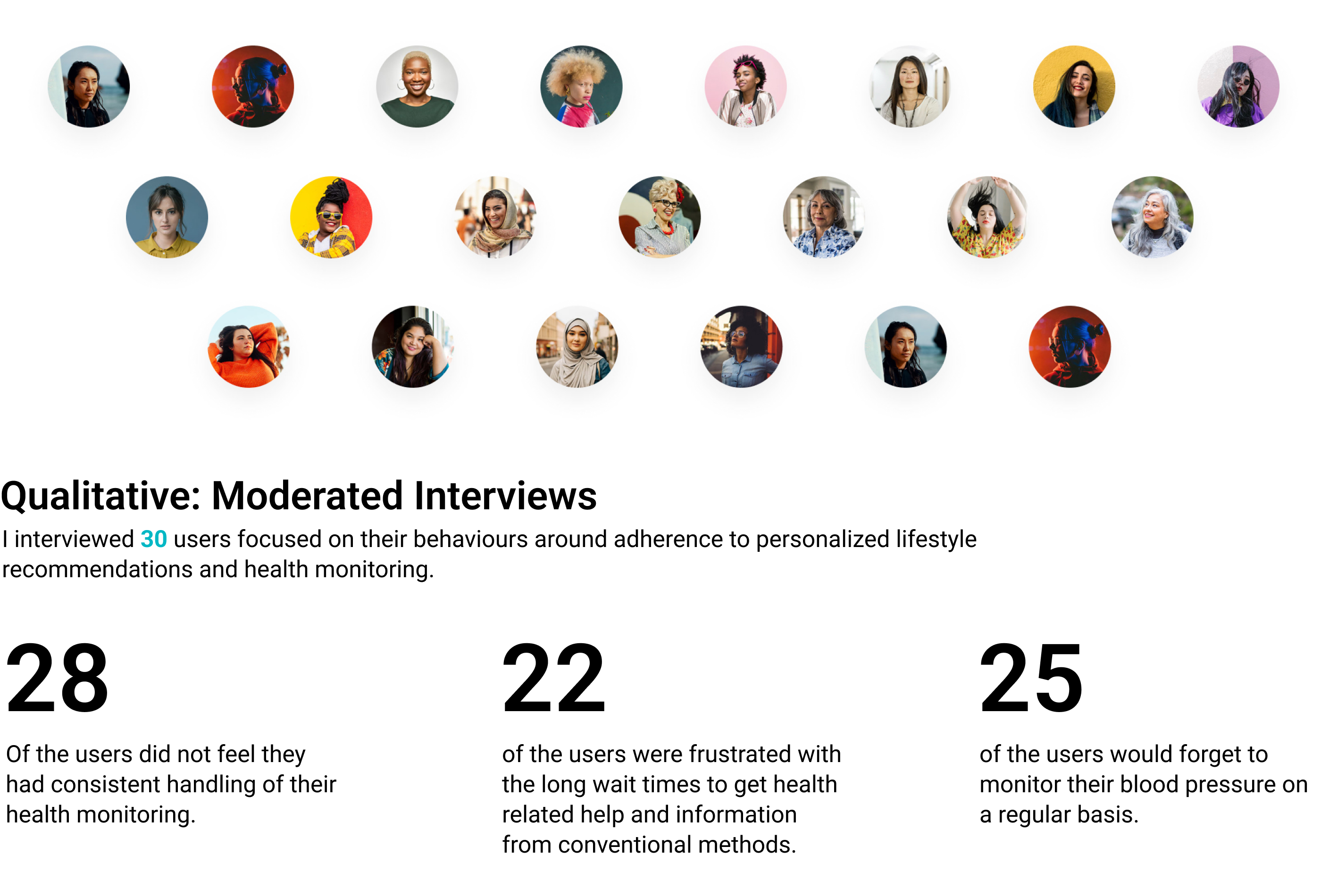
To begin, I wanted to get a sense of how elderly patients were doing with monitoring their health with traditional methods and what frustrations were they faced with.
Objectives of the studies
- To understand the key frustrations of users with the natuive app.
- To gather insights on business problems causing user frustrations.
I conducted several rounds of moderated interviews and surveys with internal stakeholders, customer representative leadership and current Tangerine customers to gain an understanding of our platform’s user experience. We hoped to identify pain points and bugs in order to improve our final version. Upon completion of the study, we decided to redesign new flows and pages to improve overall usability and engagement.
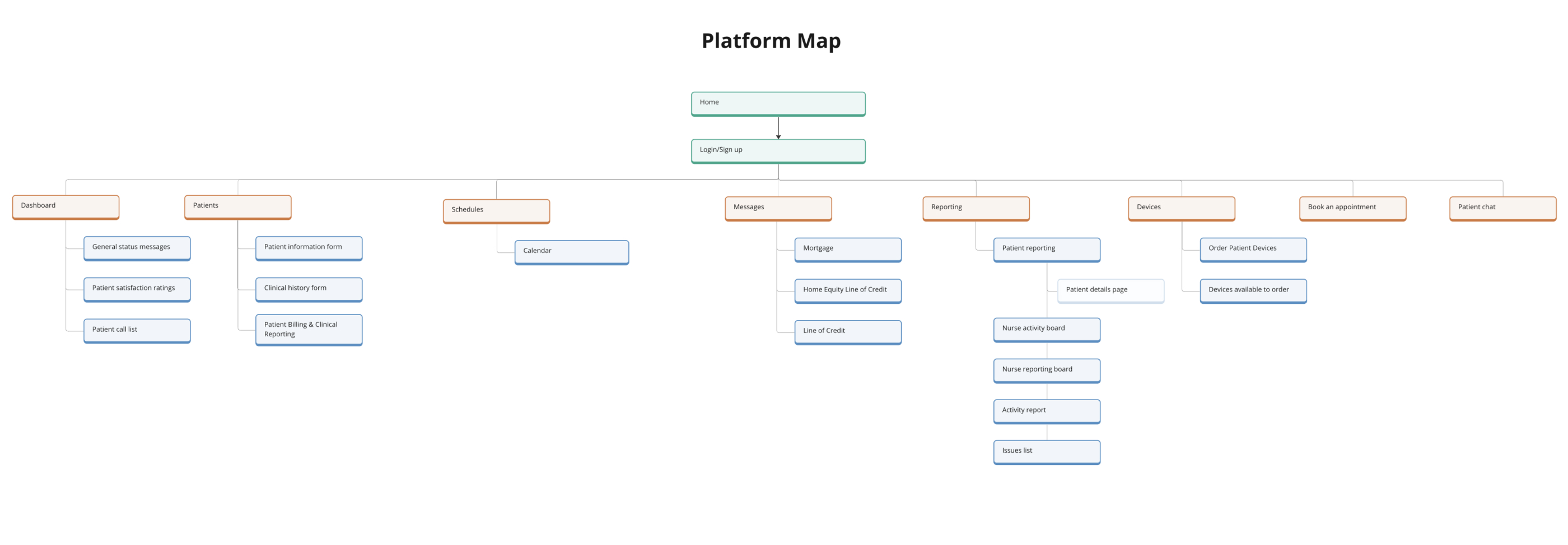
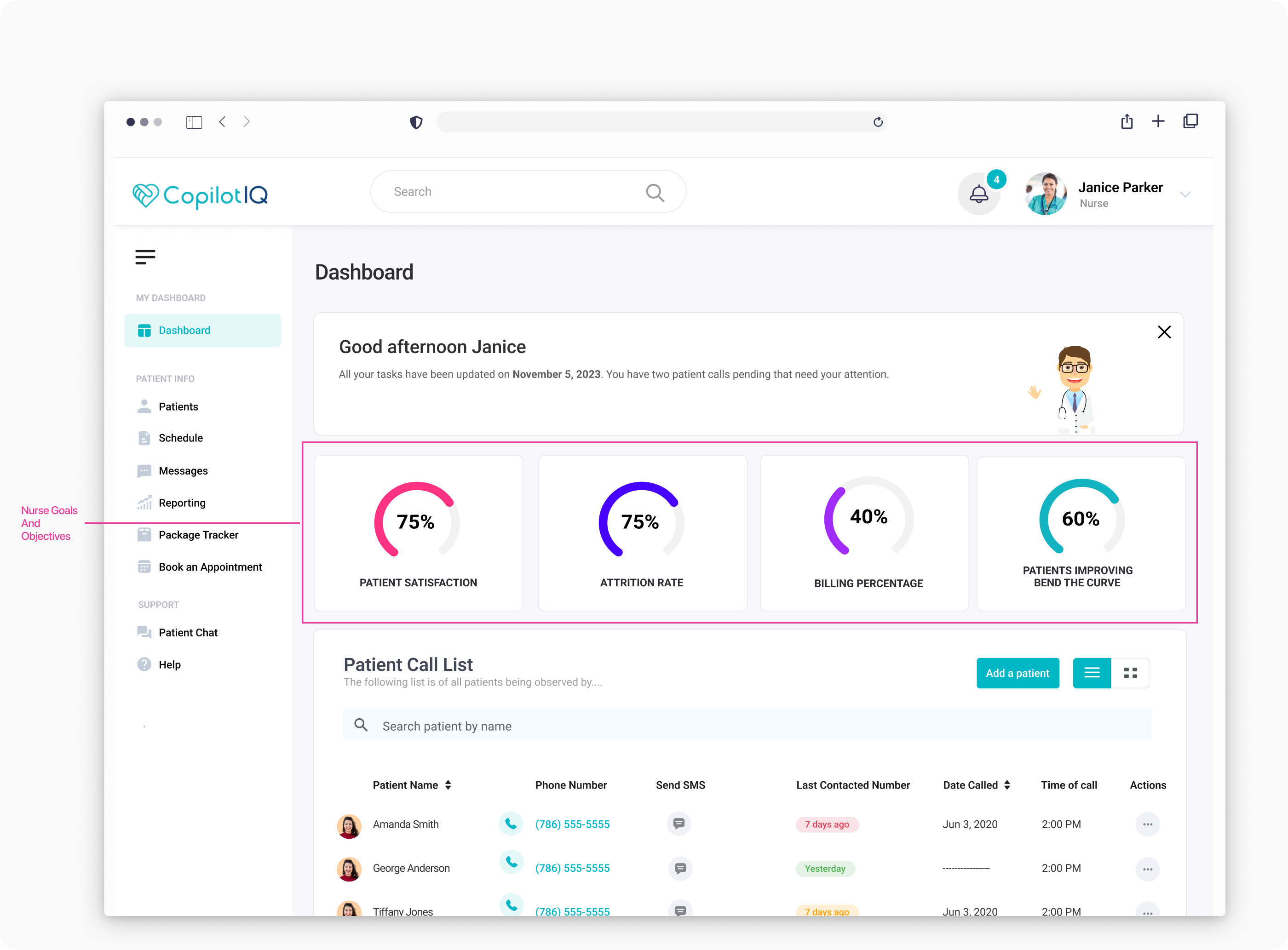
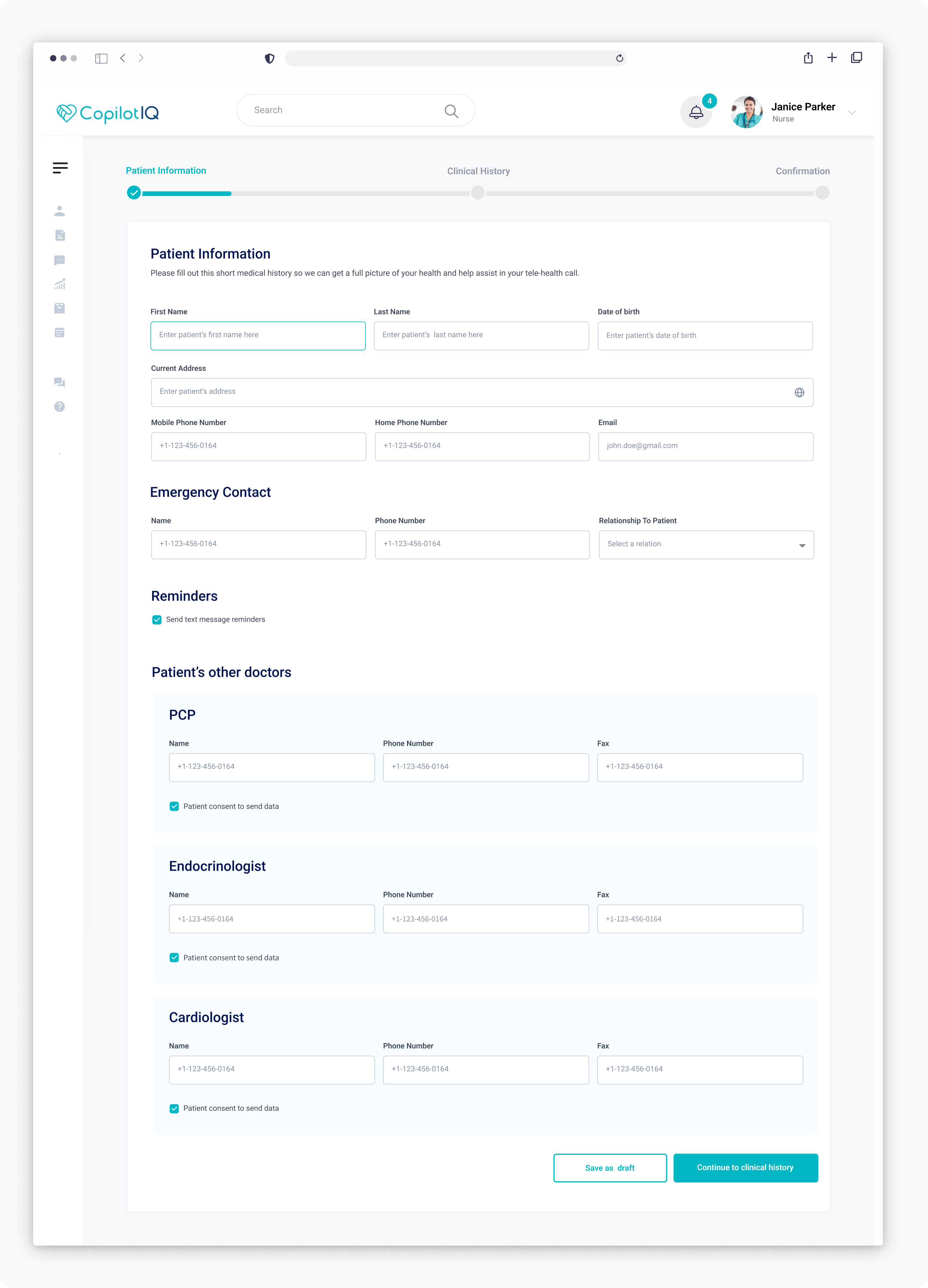
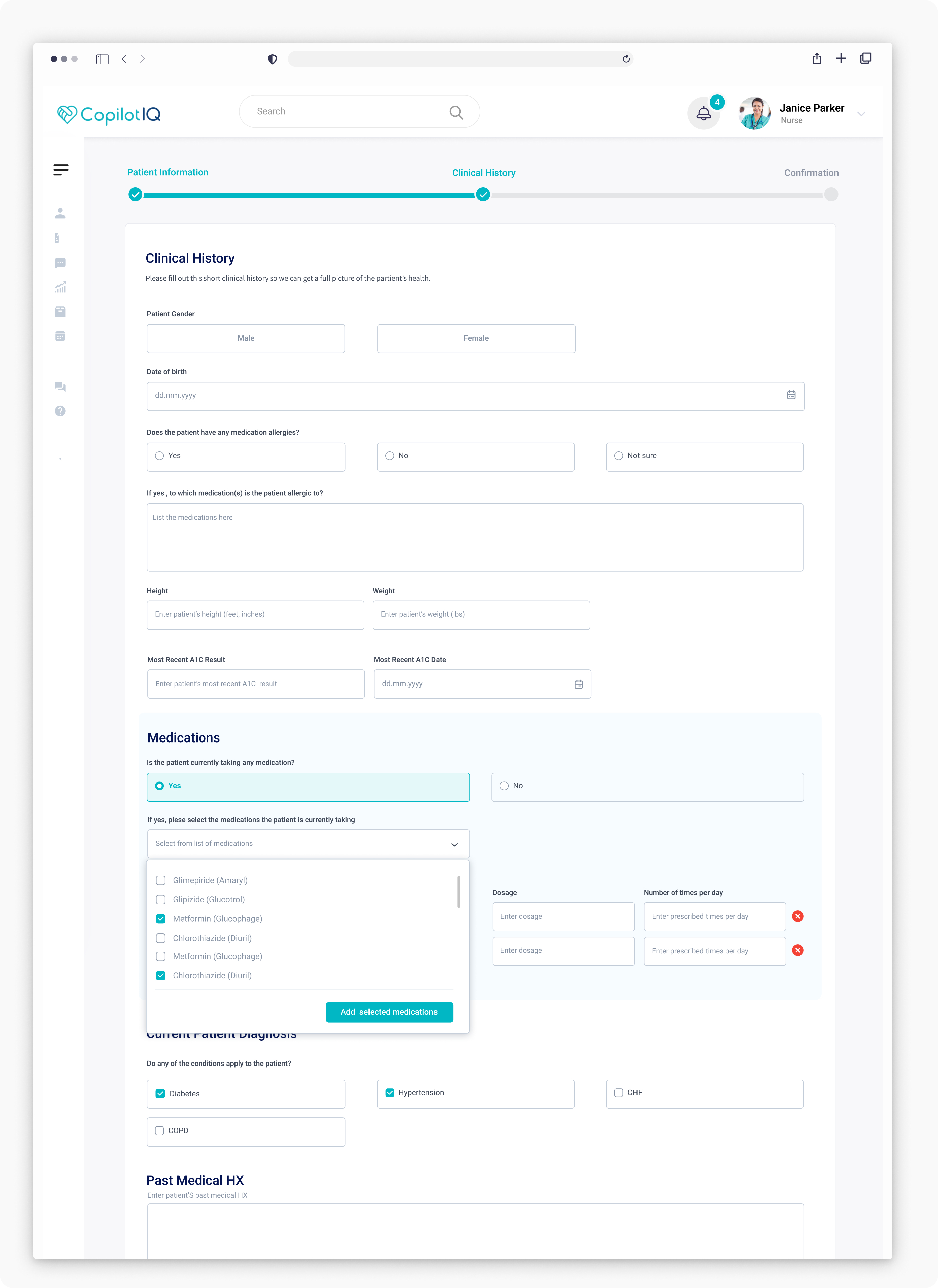
Designing the web platform
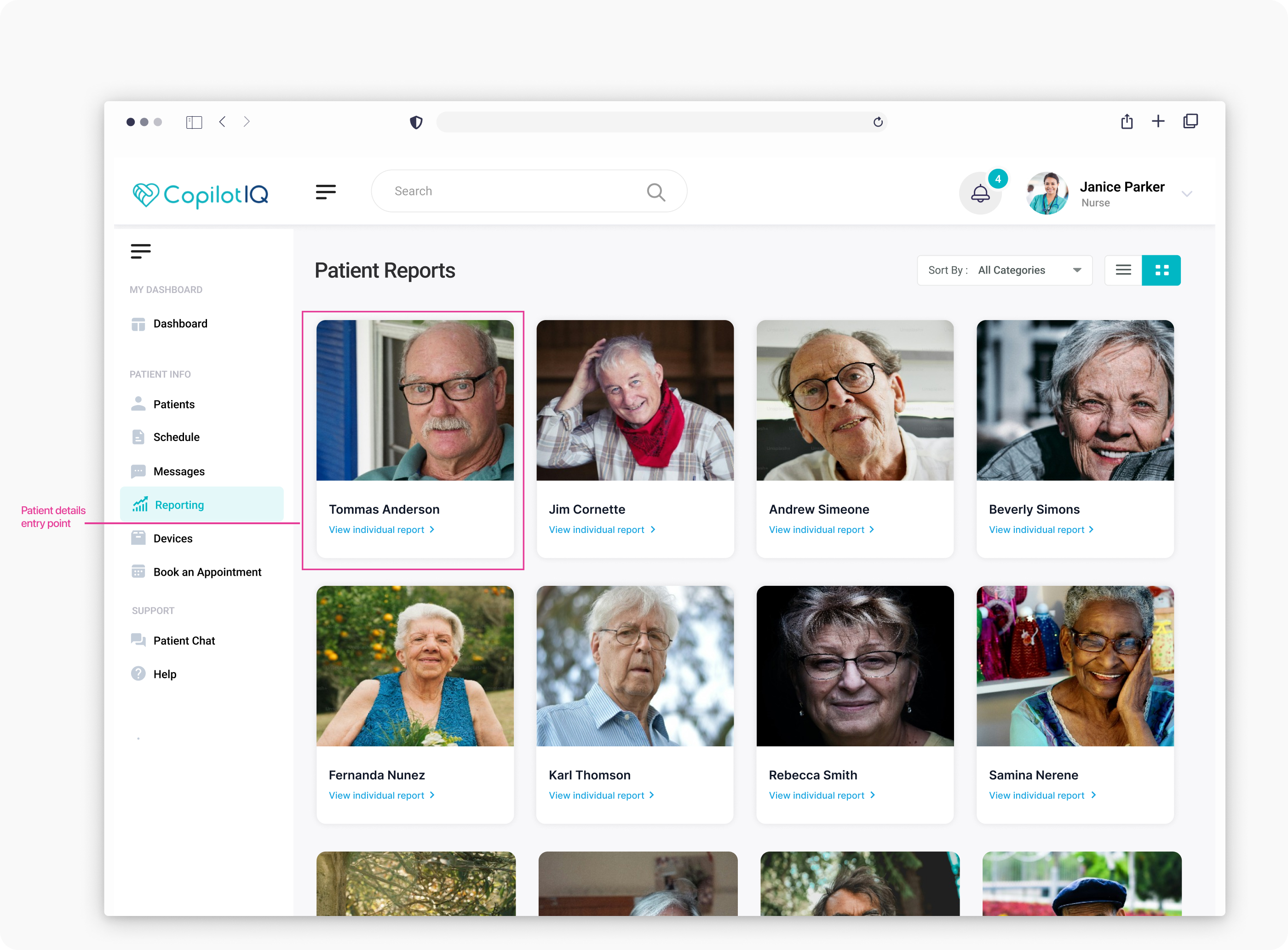
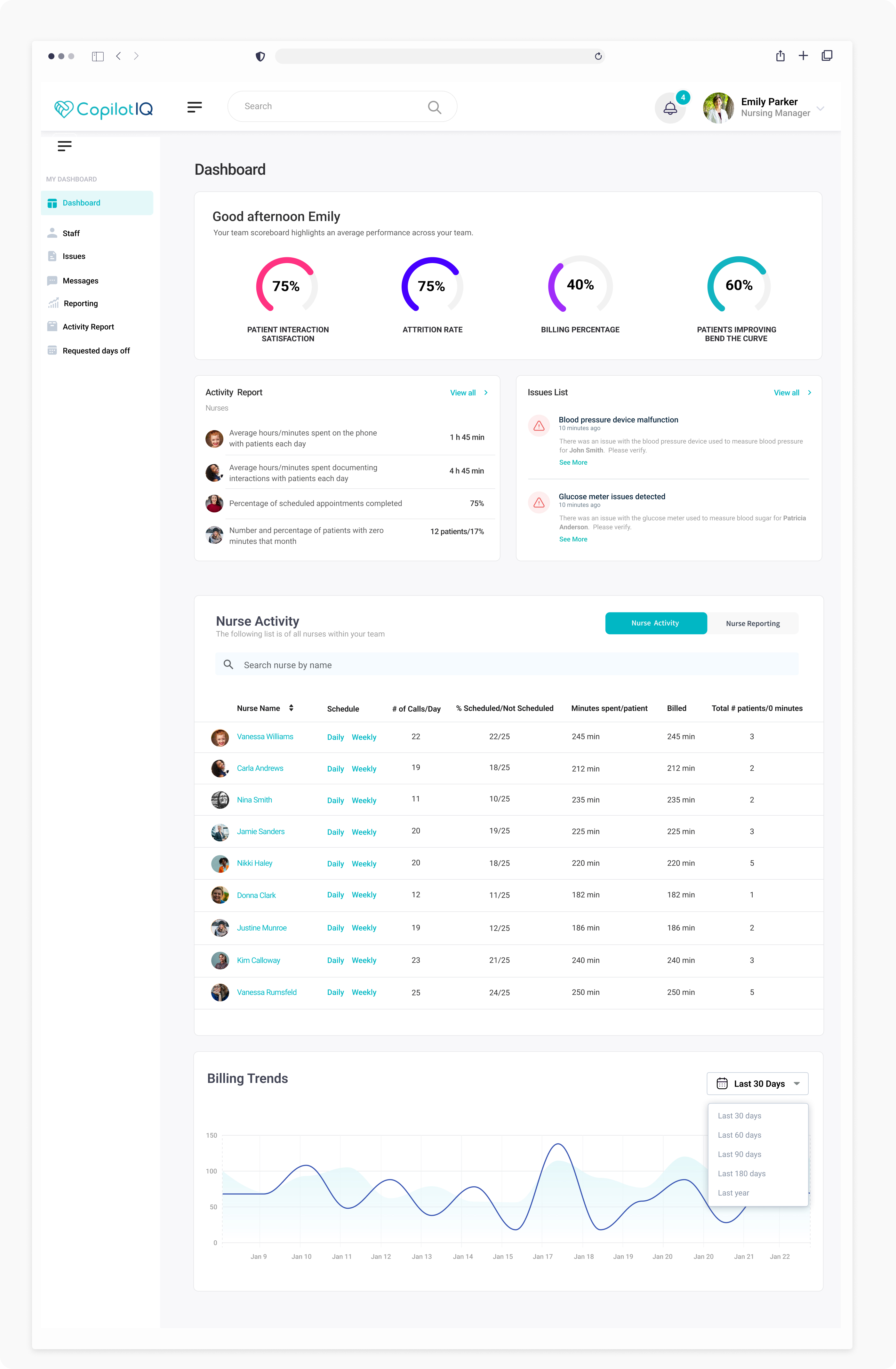
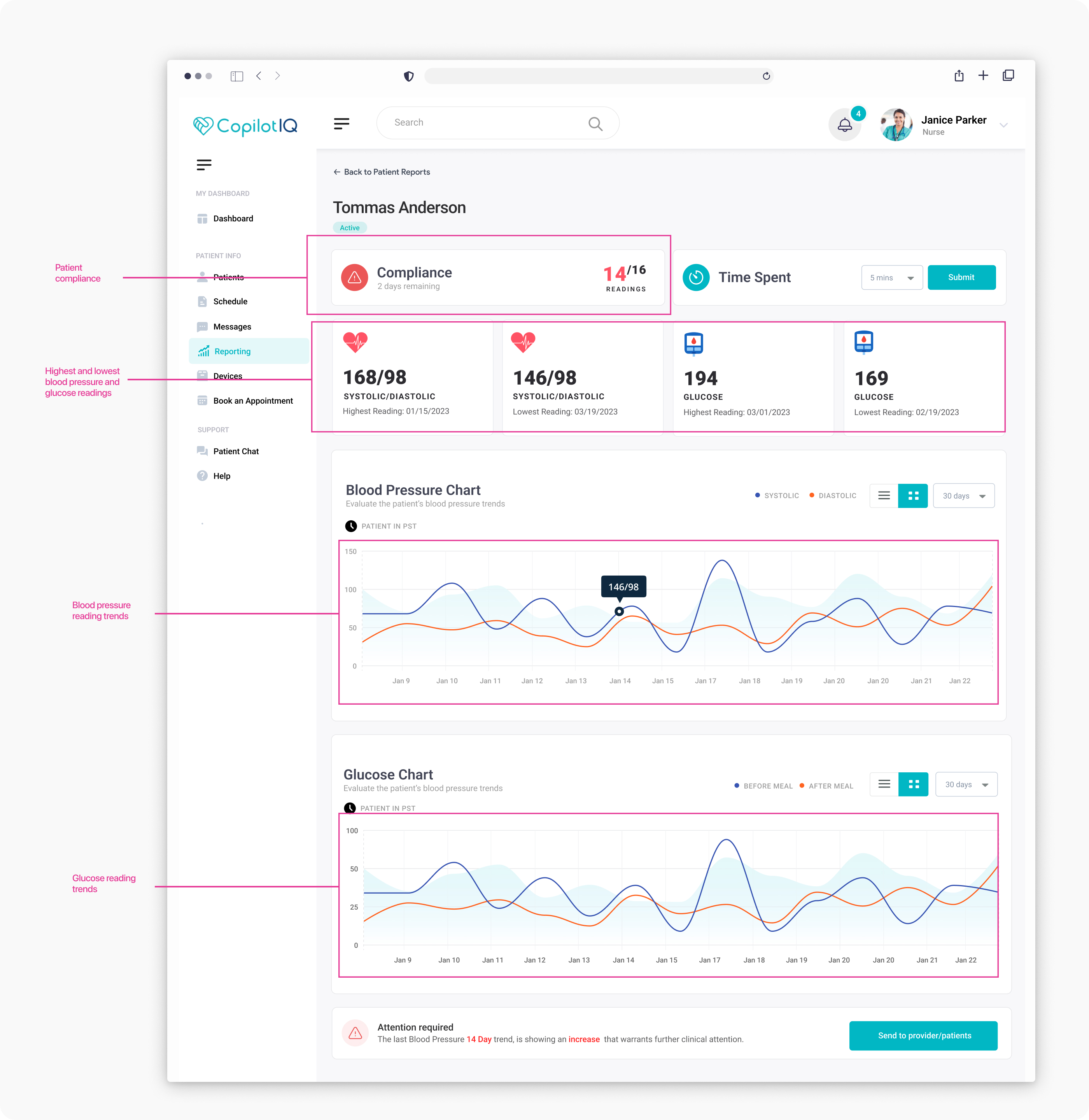
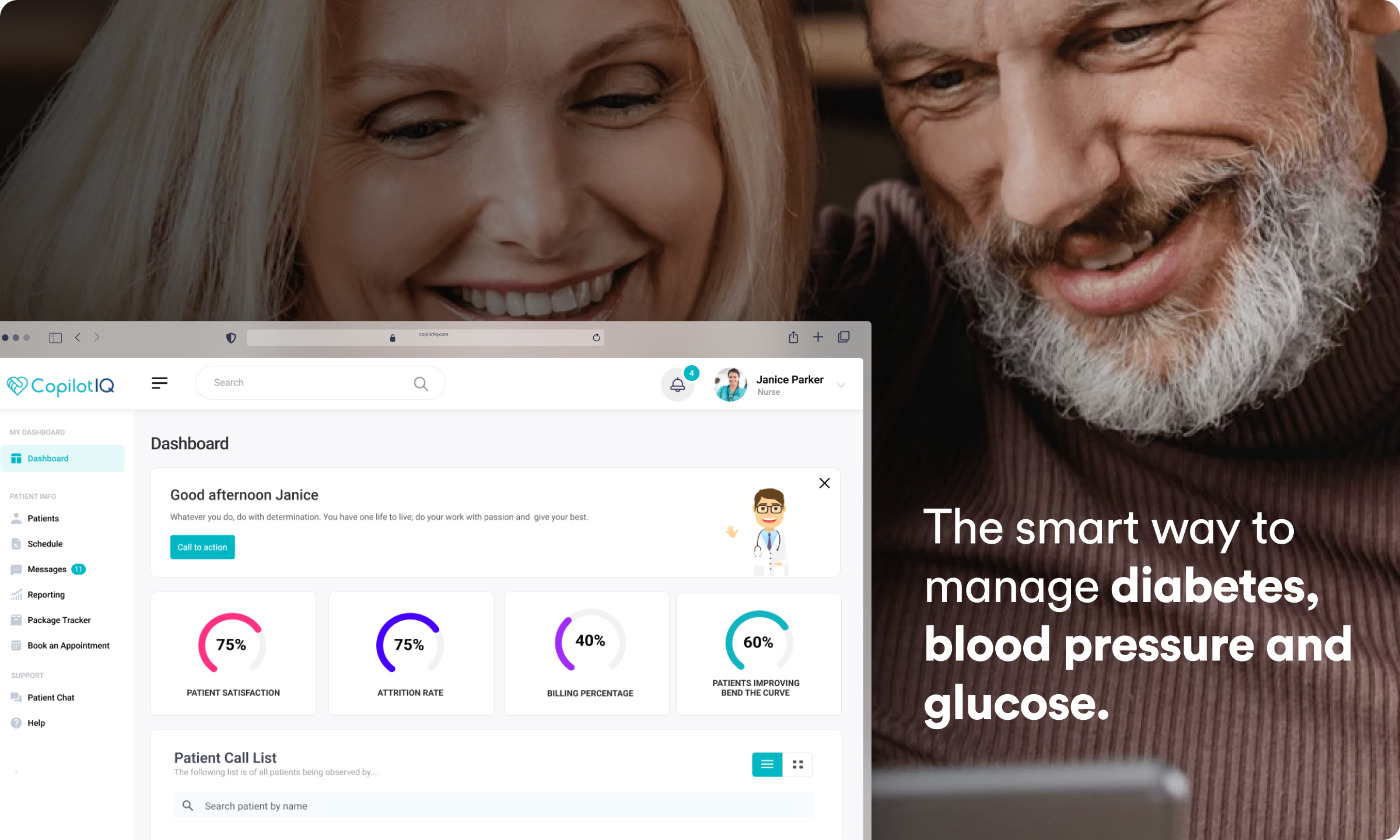
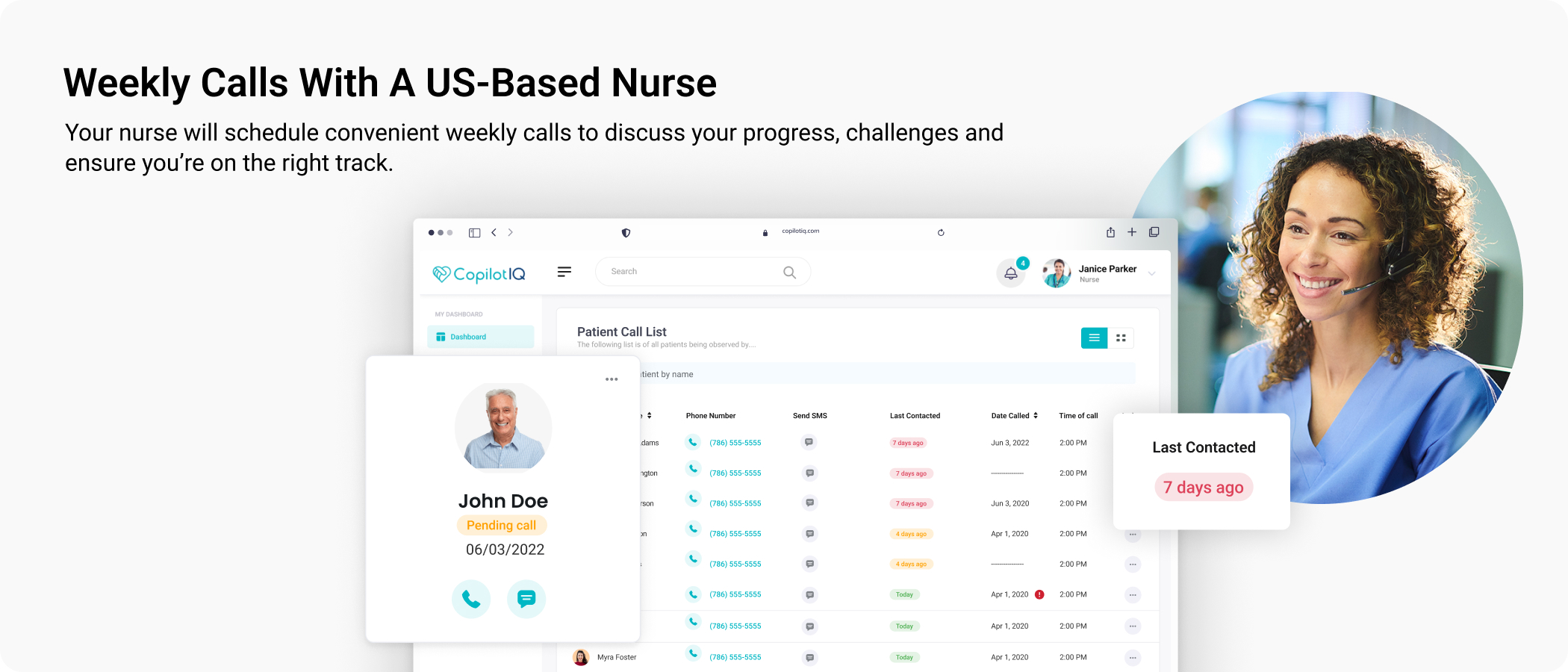
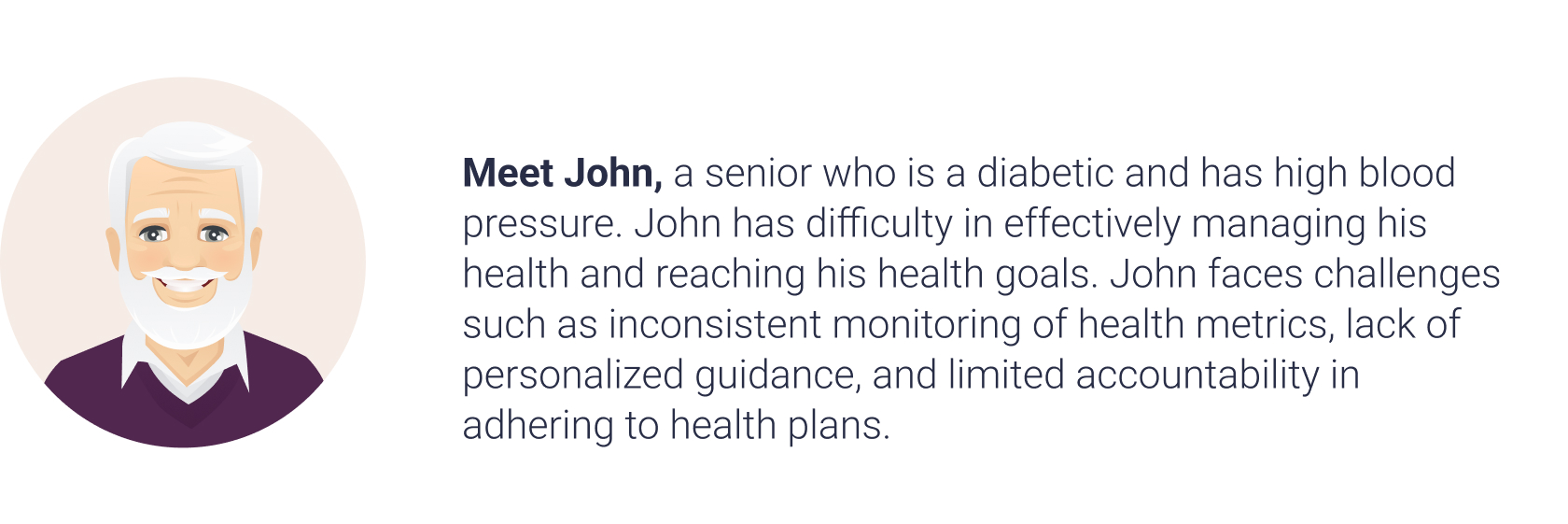
Most Americans over 65 years old have a difficult time staying on track with a strict health plan that requires their input on a daily basis. For some, they forget to monitor daily and this creates data that is fragmented and makes it difficult to build patterns that would help predict health risks. By connecting the data to a patient nurse’s fingertips, their support gets personal, and the treatments get impactful. The nurse will be there with guidance and advice, helping the patient stay on track. Daily data collection will monitor changes in health, detect patterns, and identify potential health issues. By combining continual monitoring with intentional and consistent support, the patient will start to regain control of their health.
Iterative approach and design sprints
CopilotIQ's user experience was conceived from the ground up, strongly backed by extensive user research, and fueled by strong user empathy. Collaborative sessions were instrumental in identifying user personas and customer journey maps. Innovative design solutions led to the creation of new features that effectively addressed user problems, enhancing the user experience while maintaining alignment between Welo’s business goals and user needs.