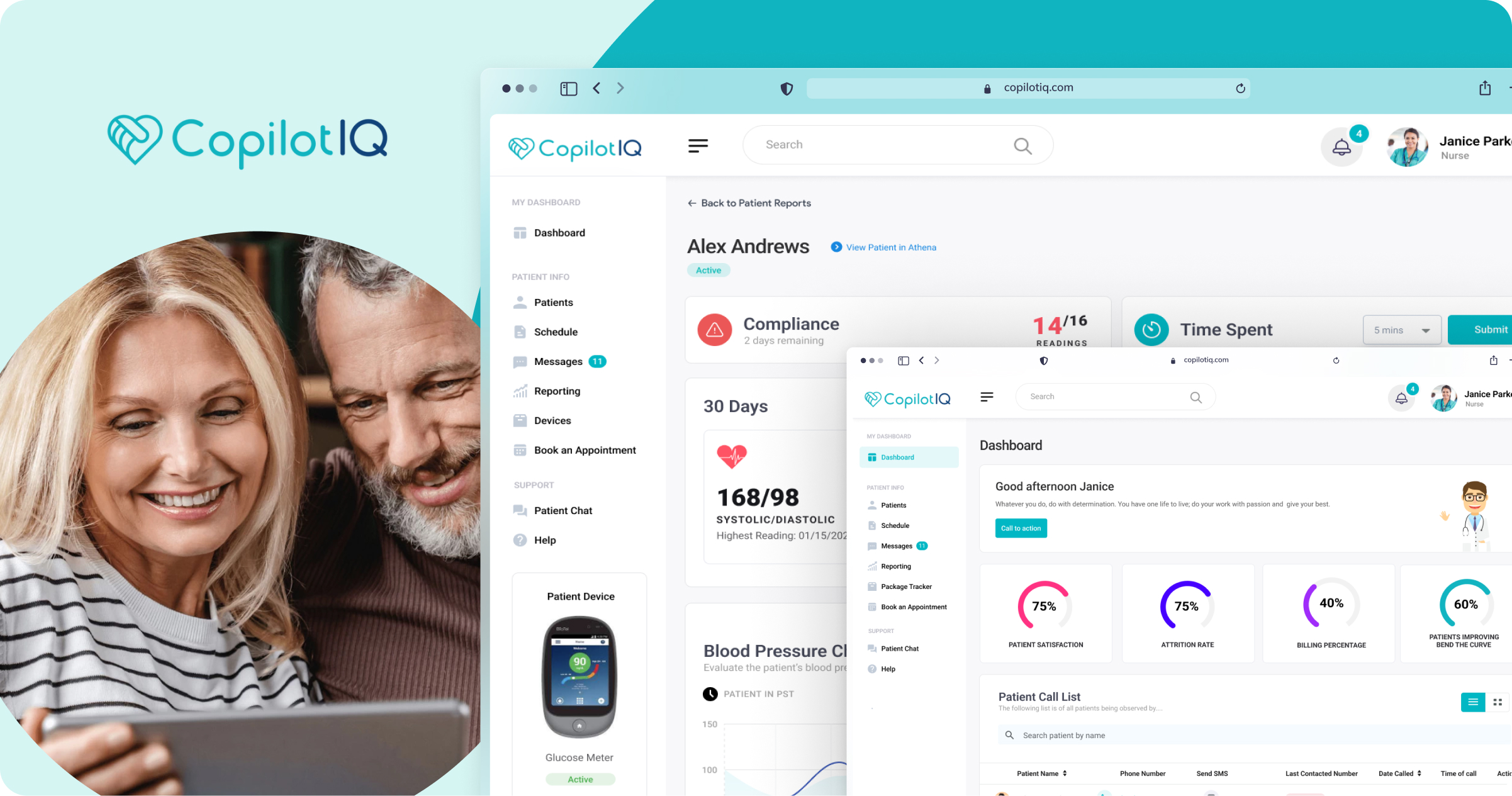
In compliance with NDAs, confidential information is omitted. Insights are my own. CopilotIQ enables nurses and providers to deliver frequent, direct-to-patient care for older Americans with chronic conditions such as diabetes and hypertension. The platform uses a data-driven approach to help older Americans live longer and healthier lives through connected care and personalized plans.
Diabetes and heart disease are some of the most common life-changing conditions in North America. While suggestions of lifestyle changes are provided, sticking to them is unfortunately not always the case. Also, conventional care typically works off a single blood pressure and glucose measurement yearly. This single data point guides decisions around medication, dosage, and suggested lifestyle modifications. With this lack of visibility, patients risk being incorrectly prescribed. Primary care physicians don't have the data support they need to make informed treatment decisions, leading to inconsistent measurements, lack of daily medical monitoring, and higher risk of sickness and comorbidities.
The Problem:
Conventional care for chronic conditions like diabetes and hypertension relies on single annual measurements, creating a critical data gap that prevents effective treatment. Primary care physicians lack the daily monitoring data they need, leading to incorrect prescriptions and poor health outcomes. Patients struggle to maintain lifestyle changes without ongoing support and accountability.
Who are the users?
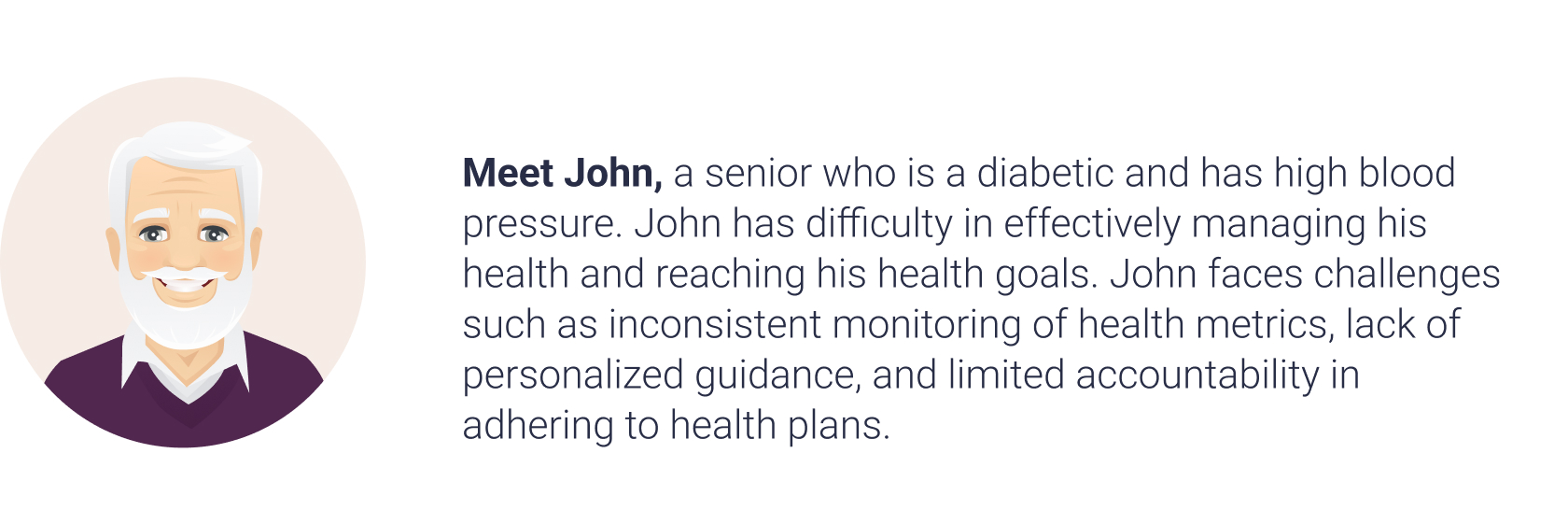
The primary users are older Americans (65+) with chronic conditions such as type 2 diabetes and hypertension. These patients need frequent monitoring, personalized care plans, and ongoing support from US-based licensed nurses to manage their conditions effectively and improve health outcomes.
Key Challenges:
I owned the end-to-end experience design for CopilotIQ's chronic condition management platform—creating a data-driven care solution that enables nurses and providers to deliver frequent, direct-to-patient care for older Americans with diabetes and hypertension. Working alongside product managers, clinicians, and engineering teams, I led the design workstream from discovery through delivery, creating a platform that collects 1000x more data than conventional care, enables real-time monitoring with critical alerts, and provides personalized care plans through US-based licensed nurses.
CopilotIQ leadership recognized that conventional care's reliance on single annual measurements was failing patients with chronic conditions, leading to incorrect prescriptions and poor health outcomes. The platform initiative aimed to revolutionize chronic condition management by collecting data at a scale 1000x greater than legacy methods. Key business objectives included:
We benchmarked chronic condition management platforms from leading telehealth providers and healthcare technology companies to inform a competitive, data-driven care UX. Key insights revealed that successful chronic care platforms prioritize continuous monitoring, personalized care plans, and frequent provider-patient engagement—enabling patients to manage conditions effectively with ongoing support. We adapted these patterns to CopilotIQ's care ecosystem, creating a platform that matched competitor standards while maintaining CopilotIQ's focus on older Americans, Medicare coverage, and US-based licensed nurses.
Interviews with 42 older Americans with diabetes and hypertension, along with primary care physicians and nurses, revealed consistent patterns around conventional care limitations:
These insights shaped our approach: creating a data-driven care platform that collects 1000x more data, enables real-time monitoring with critical alerts, and provides personalized care plans through frequent nurse coaching and support.
We designed CopilotIQ's chronic condition management platform to enable nurses and providers to deliver frequent, direct-to-patient care for older Americans with diabetes and hypertension. The platform collects 1000x more data than conventional care through connected devices, enabling real-time monitoring with critical alerts, and provides personalized care plans through US-based licensed nurses. The solution transforms chronic care from annual visits with single measurements into continuous monitoring with frequent coaching and support.

Collect 1000x more data than conventional care through connected devices for daily glucose and blood pressure monitoring. By collecting data on a daily basis, the platform continuously monitors readings, detects possible risks, and takes action before it turns into an emergency—providing primary care physicians with the data support they need.
Pair members with US-based licensed nurses for frequent one-on-one coaching sessions by phone and video. Nurses monitor progress, discuss challenges, and help members stay accountable—using proprietary software to identify potential issues and provide proactive support for diet, exercise, and lifestyle changes.
Enable real-time monitoring with critical alerts to prevent emergencies. The platform captures continuous data from connected devices, enabling nurses and providers to monitor patient health daily and respond quickly to critical alerts—transforming care from reactive to proactive.
Generate personalized care plans based on platform insights. Nurses use data-driven insights to provide personalized and highly effective care—focusing on dietary modifications, physical activity, lifestyle adjustments, and daily readings to develop tailored plans built around each member's health goals.


To extend the value of CopilotIQ's platform beyond basic monitoring, we created a comprehensive chronic care platform that integrates connected devices, predictive artificial intelligence, and continuous monitoring to deliver world-class care. The platform modernization introduced automated data collection from connected blood pressure and glucose monitors, enabling readings to be sent directly to the medical team for charting and analysis.
The platform modernization introduced predictive AI capabilities that analyze continuous monitoring data to identify potential risks before they become emergencies, creating a feedback loop to improve care outcomes. By combining data-driven care, dedicated nurse coaching, real-time monitoring, and personalized plans, CopilotIQ's platform transformed chronic condition management from annual visits with single measurements into continuous, proactive care that helps older Americans live longer and healthier lives.
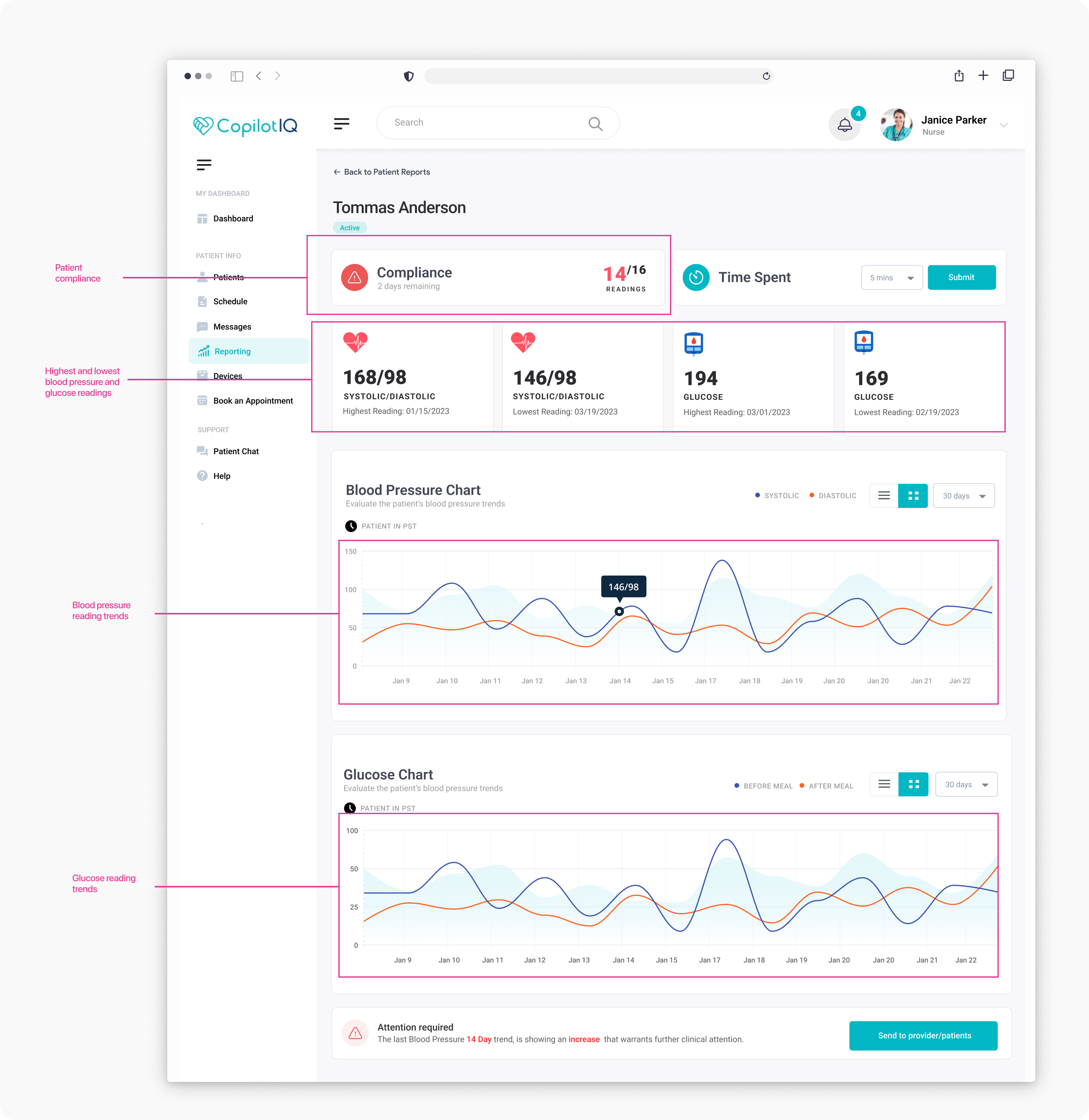
Patient dashboard interface for viewing daily glucose and blood pressure readings, health trends, and personalized care plans with real-time monitoring data.
Complete nurse coaching workflow showing patient data visualization, progress tracking, and personalized care plan recommendations for frequent one-on-one sessions.
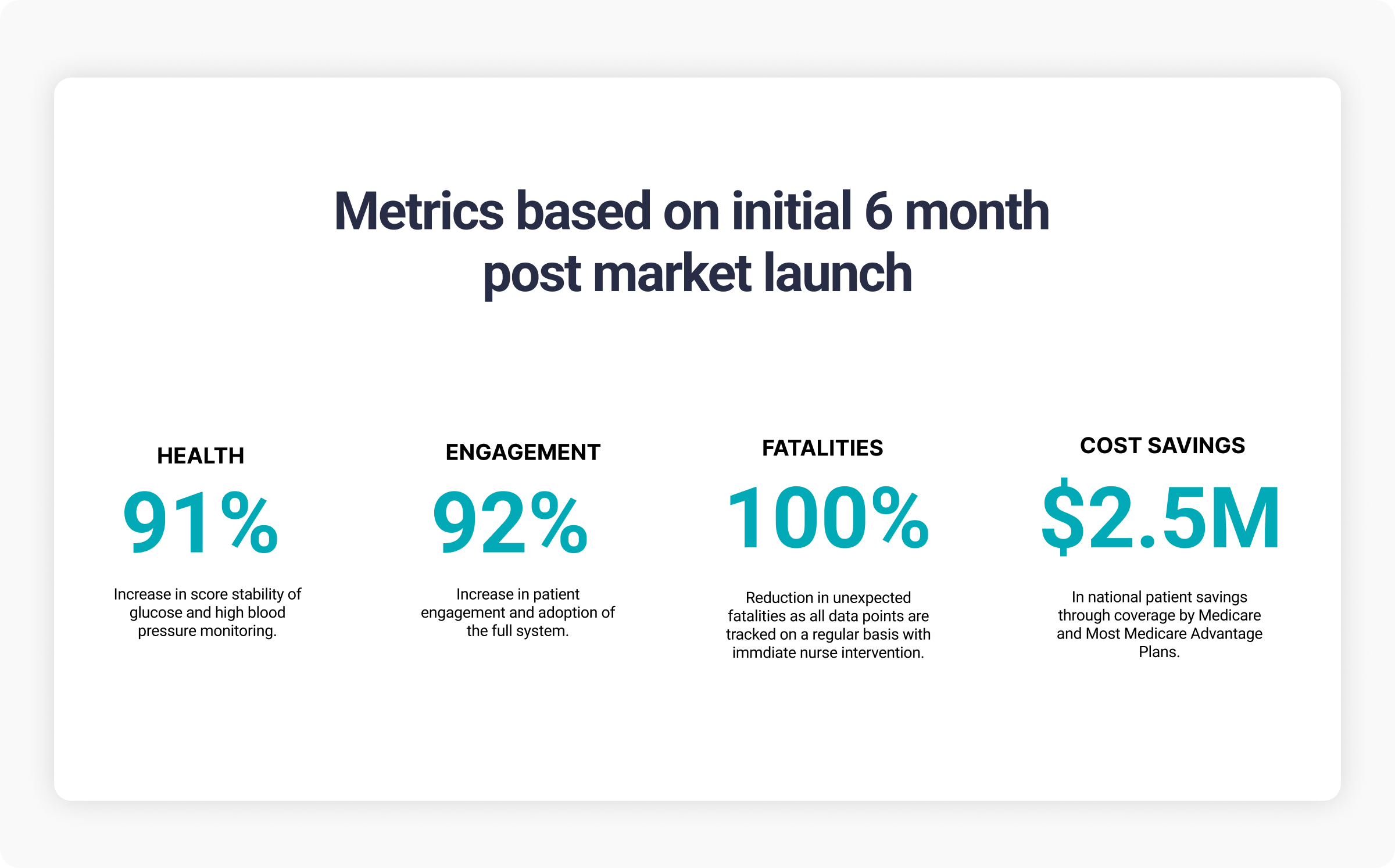
The CopilotIQ platform transformation successfully revolutionized chronic condition management—successfully bridging conventional care limitations with data-driven care and positioning CopilotIQ as a leader in AI-driven in-home care.
Measured Outcomes:
The success of CopilotIQ's platform demonstrated that chronic condition management could be transformed — not through maintaining conventional care limitations, but through smarter, data-driven approaches that provide continuous monitoring and personalized support.
Through this initiative, we learned that transforming chronic care goes beyond adding more data collection. It requires continuous monitoring, personalized support, and frequent provider-patient engagement. By aligning product, design, and engineering around a shared goal of improving health outcomes, we simplified care workflows, reduced incorrect prescriptions, and increased patient adherence. Clear data visualization, real-time alerts, and human-centered design proved essential in turning a complex healthcare challenge into an intuitive, confidence-building care experience.
In healthcare, even small design changes can have major implications for patient health. During testing, we learned that collecting 1000x more data than conventional care enabled primary care physicians to make informed treatment decisions based on daily monitoring rather than single annual measurements. The key was finding a balance — making data collection automatic and seamless while providing clear visibility into health trends. Continuous monitoring, real-time alerts, and data visualization became essential in creating actionable insights rather than data overload.
Working with older Americans with chronic conditions meant understanding their need for ongoing support and accountability. Lifestyle change suggestions often failed because patients lacked consistent guidance and encouragement. Our success depended on designing frequent nurse coaching sessions that provided personalized support, monitored progress, and helped patients stay accountable—enabling patients to stick to suggested lifestyle modifications through regular check-ins and encouragement. This frequent coaching approach significantly improved adherence and health outcomes.
Chronic condition management requires personalized care plans that fit each patient's life and health goals. We designed platform capabilities that enabled nurses to use data-driven insights to develop tailored plans focusing on dietary modifications, physical activity, lifestyle adjustments, and daily readings. Personalized plans enabled patients to achieve their health goals, reduce medication needs, and improve health outcomes—proving that one-size-fits-all approaches are insufficient for effective chronic care management.
Thanks to cross‑functional partners across product, research, engineering and operations.
Mentored 4 junior designers on accessibility testing and user research, perfecting their visual design craft and shaping them into confident contributors to future secure UX projects.
Diabetes and Heart disease are some of the most common life changing conditions in North America. While sugegstions of lifestyle changes are provided, sticking to them is unfortunately not always the case. Also, conventional care, typically works off a single blood pressure and glucose measurement yearly. This data point guides decisions around medication, dosage, and suggested lifestyle modifications. And with this lack of visibility, patients risk being incorrectly prescribed. Primary care physicians don’t have the data support they need.
The goal for the web platform is to leverage continuous monitoring and data analytics to offer a more nuanced understanding of each patient's health. This wealth of information will empower primary care physicians with the insights needed to make informed decisions regarding medication, dosage adjustments, and tailored lifestyle recommendations.
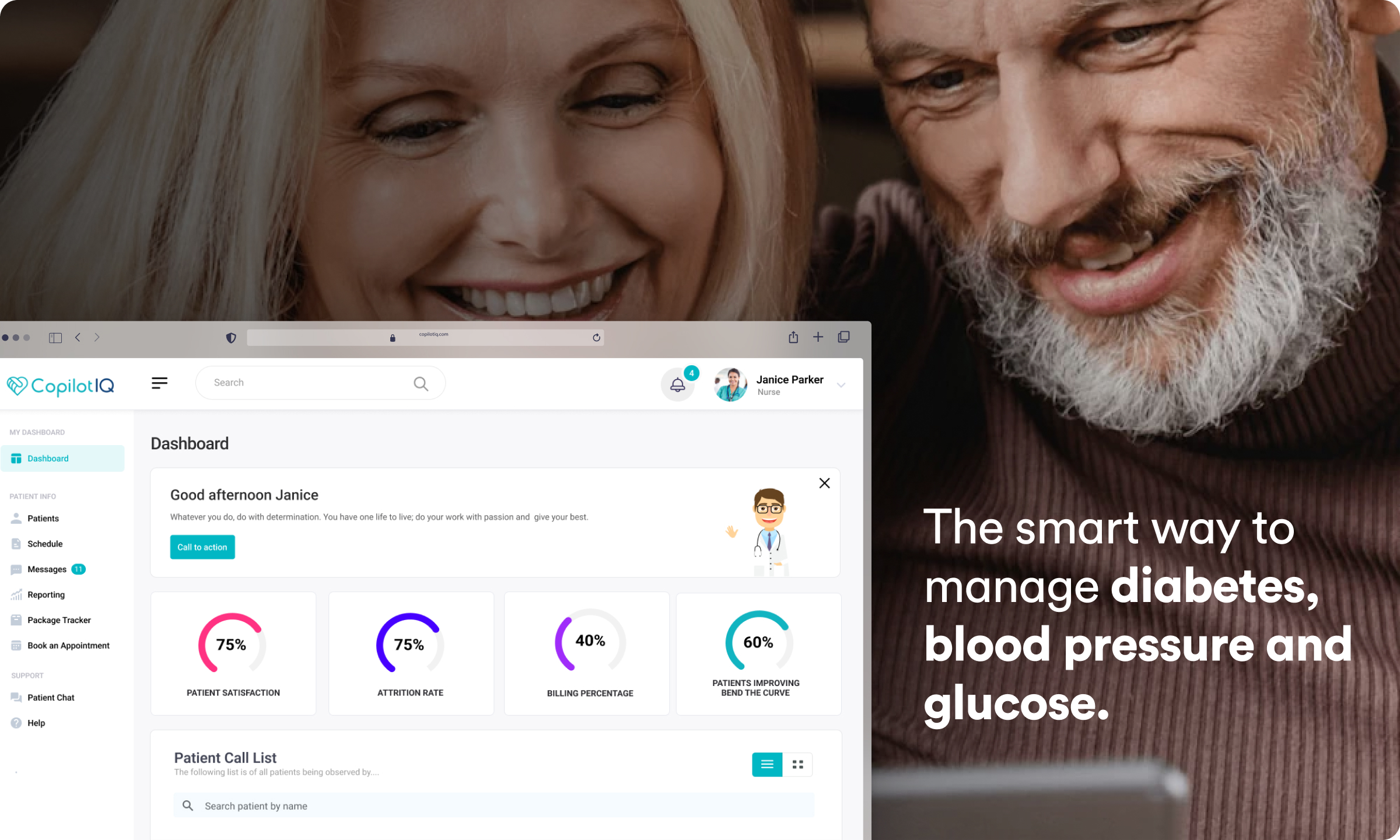
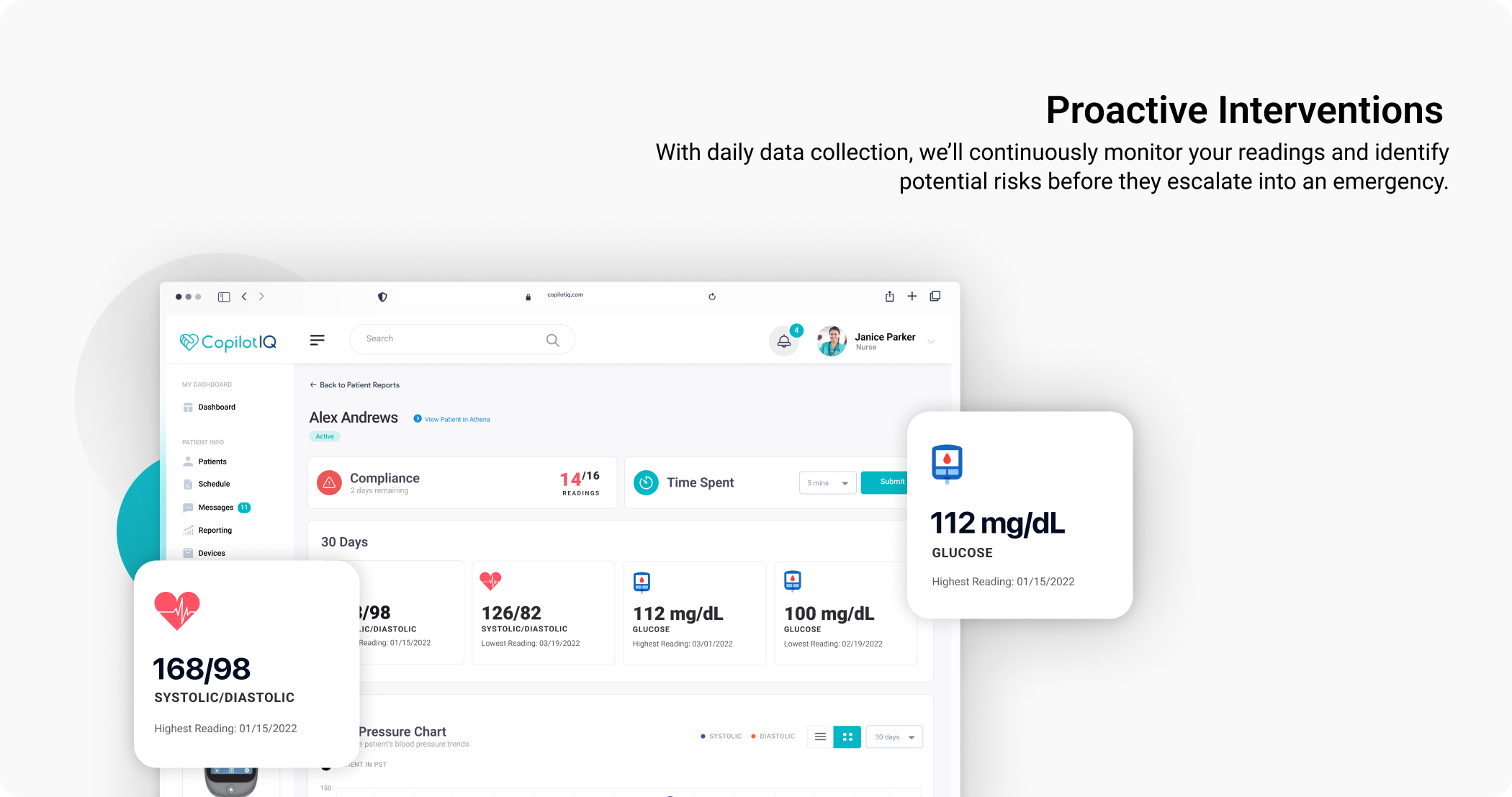
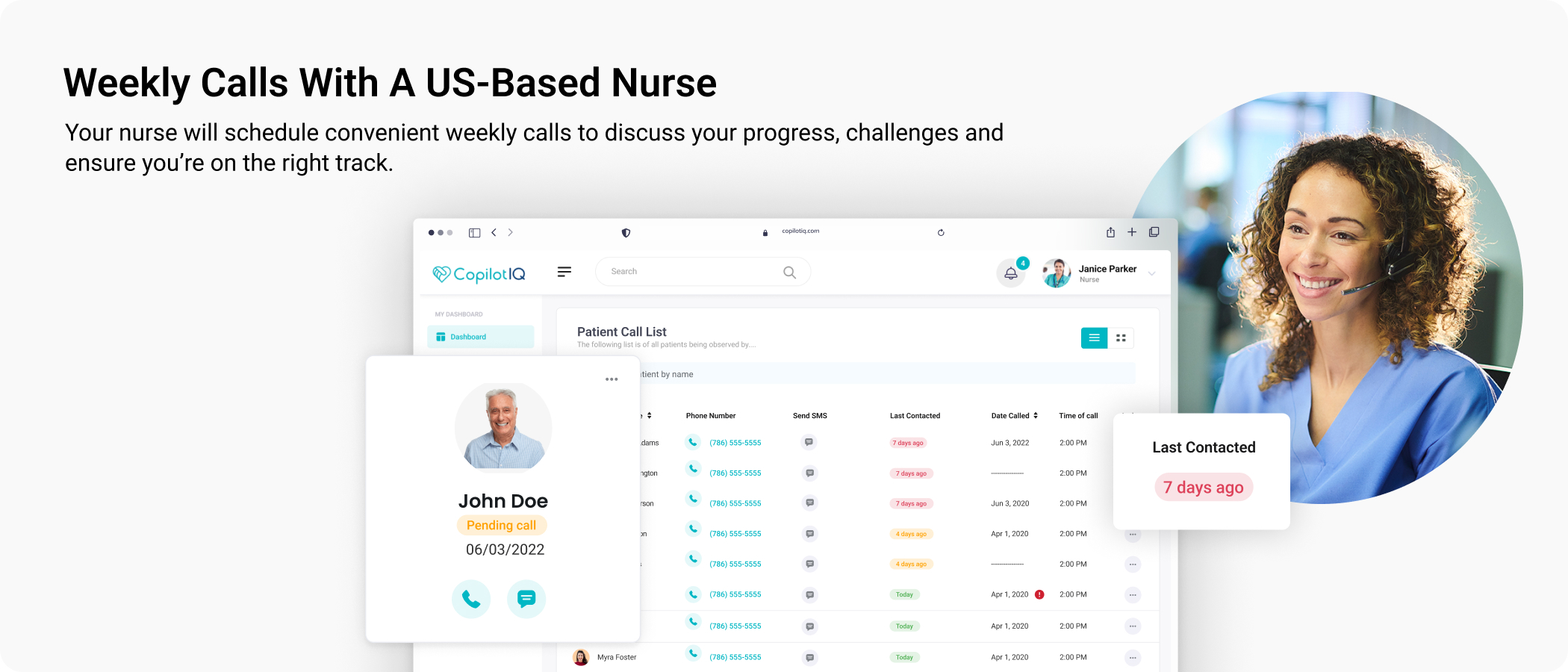
To begin, I wanted to get a sense of how elderly patients were doing with monitoring their health with traditional methods and what frustrations were they faced with.
Objectives of the studies
I conducted several rounds of moderated interviews and surveys with internal stakeholders, customer representative leadership and current Tangerine customers to gain an understanding of our platform’s user experience. We hoped to identify pain points and bugs in order to improve our final version. Upon completion of the study, we decided to redesign new flows and pages to improve overall usability and engagement.
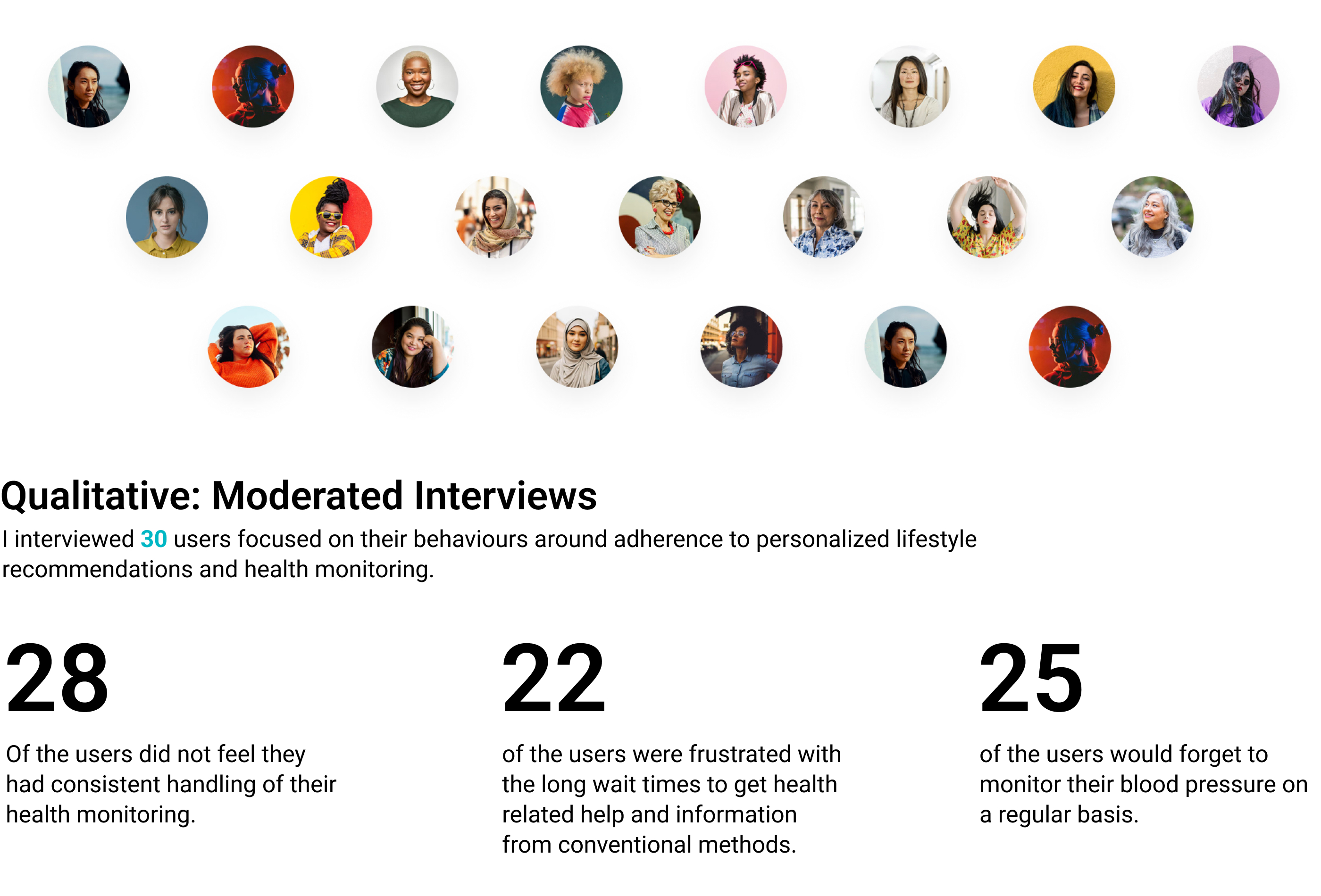
Most Americans over 65 years old have a difficult time staying on track with a strict health plan that requires their input on a daily basis. For some, they forget to monitor daily and this creates data that is fragmented and makes it difficult to build patterns that would help predict health risks. By connecting the data to a patient nurse’s fingertips, their support gets personal, and the treatments get impactful. The nurse will be there with guidance and advice, helping the patient stay on track. Daily data collection will monitor changes in health, detect patterns, and identify potential health issues. By combining continual monitoring with intentional and consistent support, the patient will start to regain control of their health.
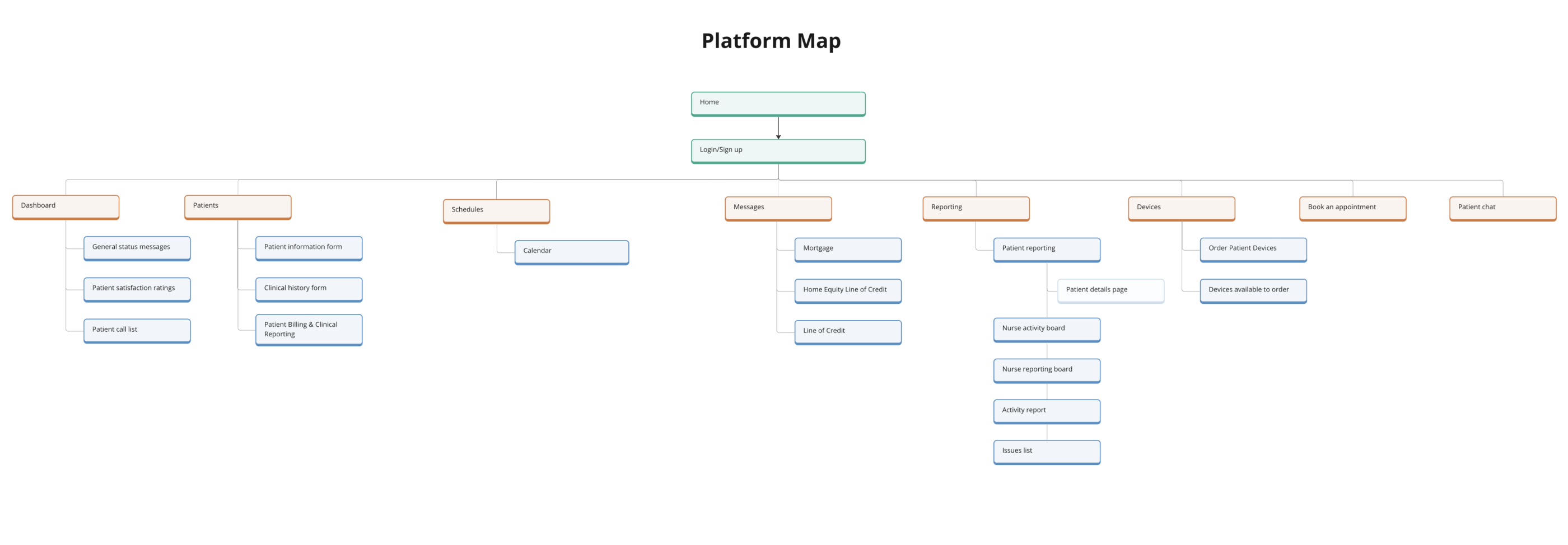
CopilotIQ's user experience was conceived from the ground up, strongly backed by extensive user research, and fueled by strong user empathy. Collaborative sessions were instrumental in identifying user personas and customer journey maps. Innovative design solutions led to the creation of new features that effectively addressed user problems, enhancing the user experience while maintaining alignment between Welo’s business goals and user needs.
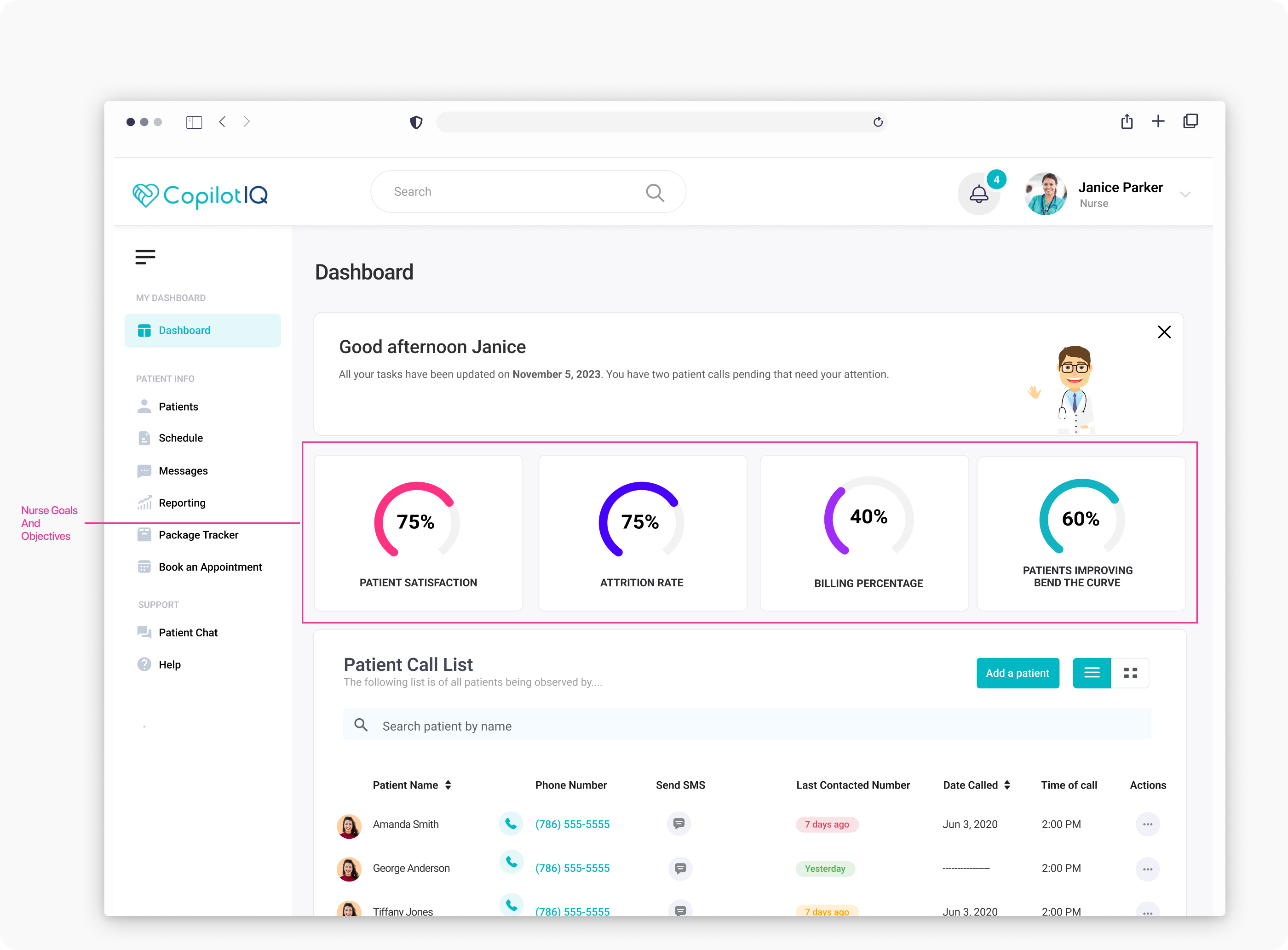
Design began with the set of tools and features needed by an individual nurse to track and monitor patient health. The task manager also consists of goals and performance metrics the nurse will be able to track.
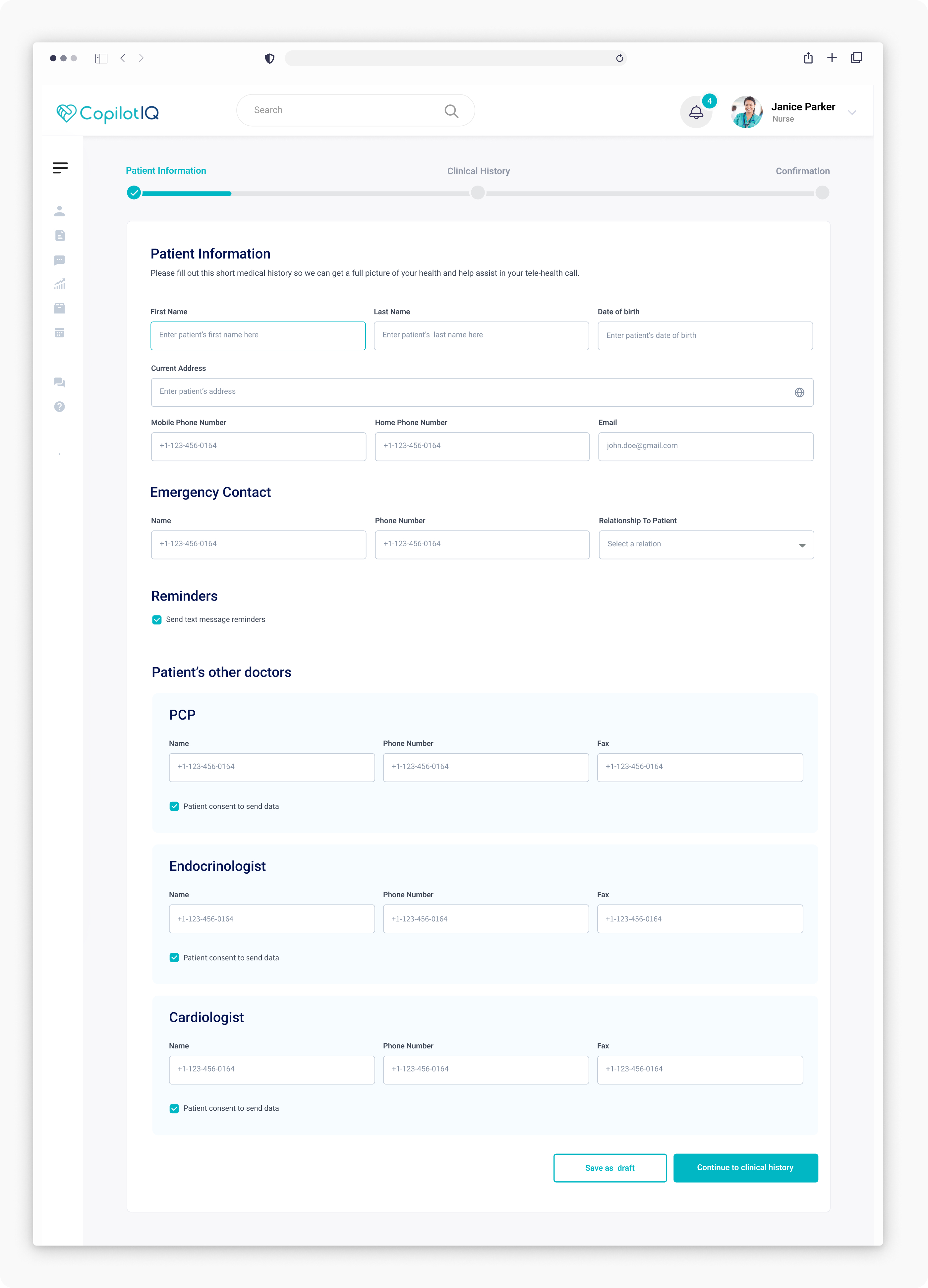
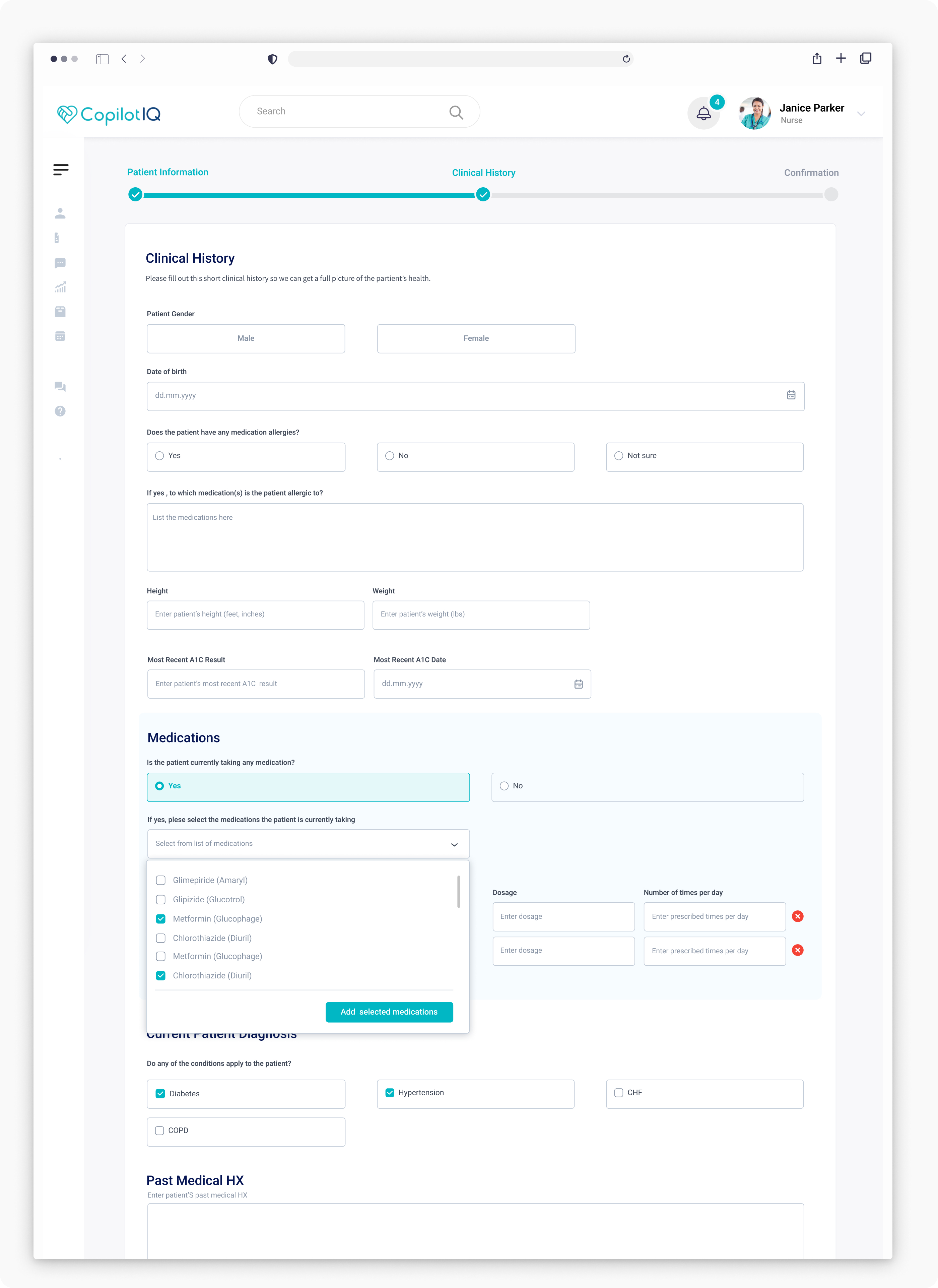
The creation of the patient file through various information forms.
Next, was the creation of the patient reports page, listing all the petients on file.

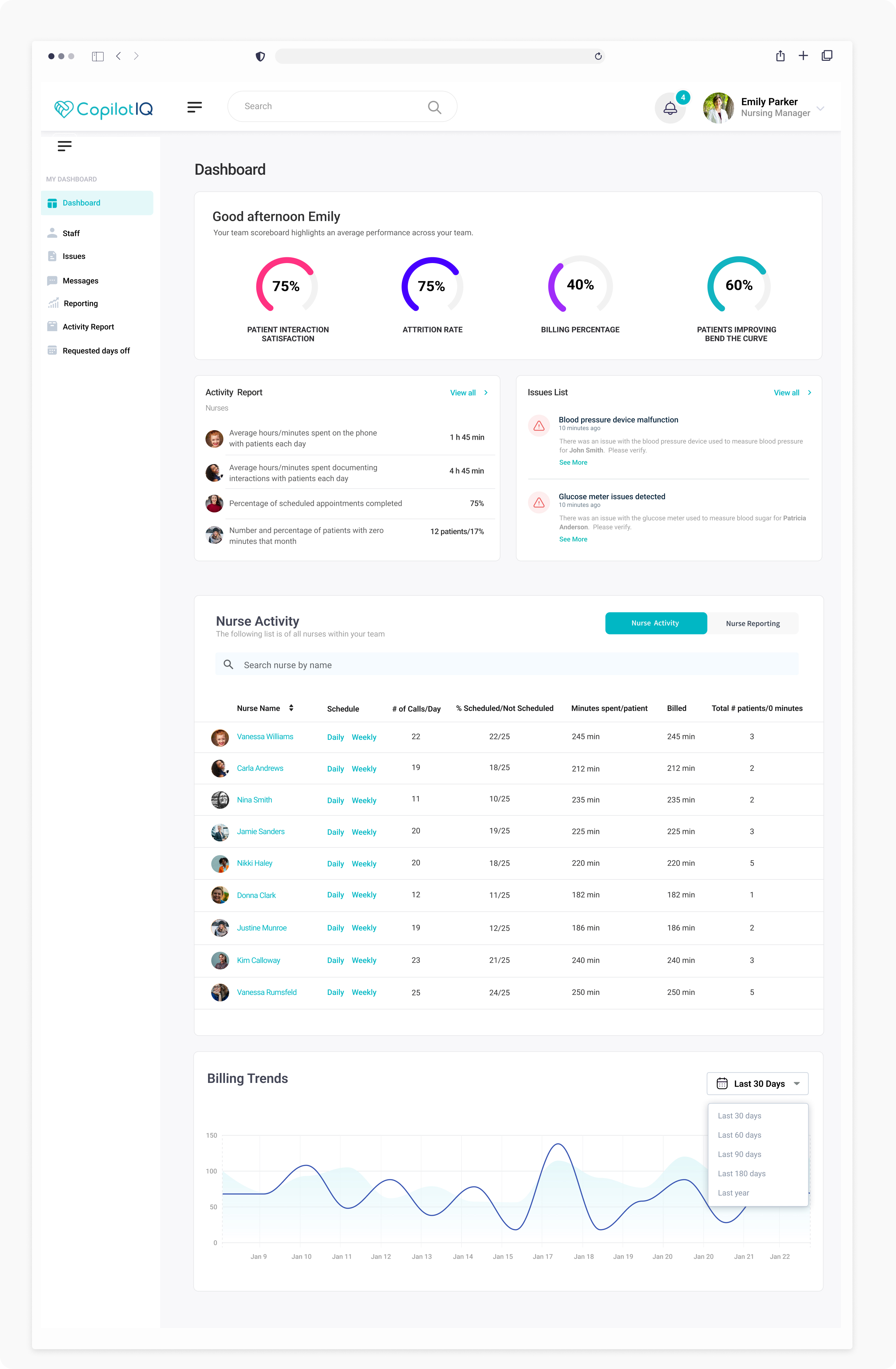
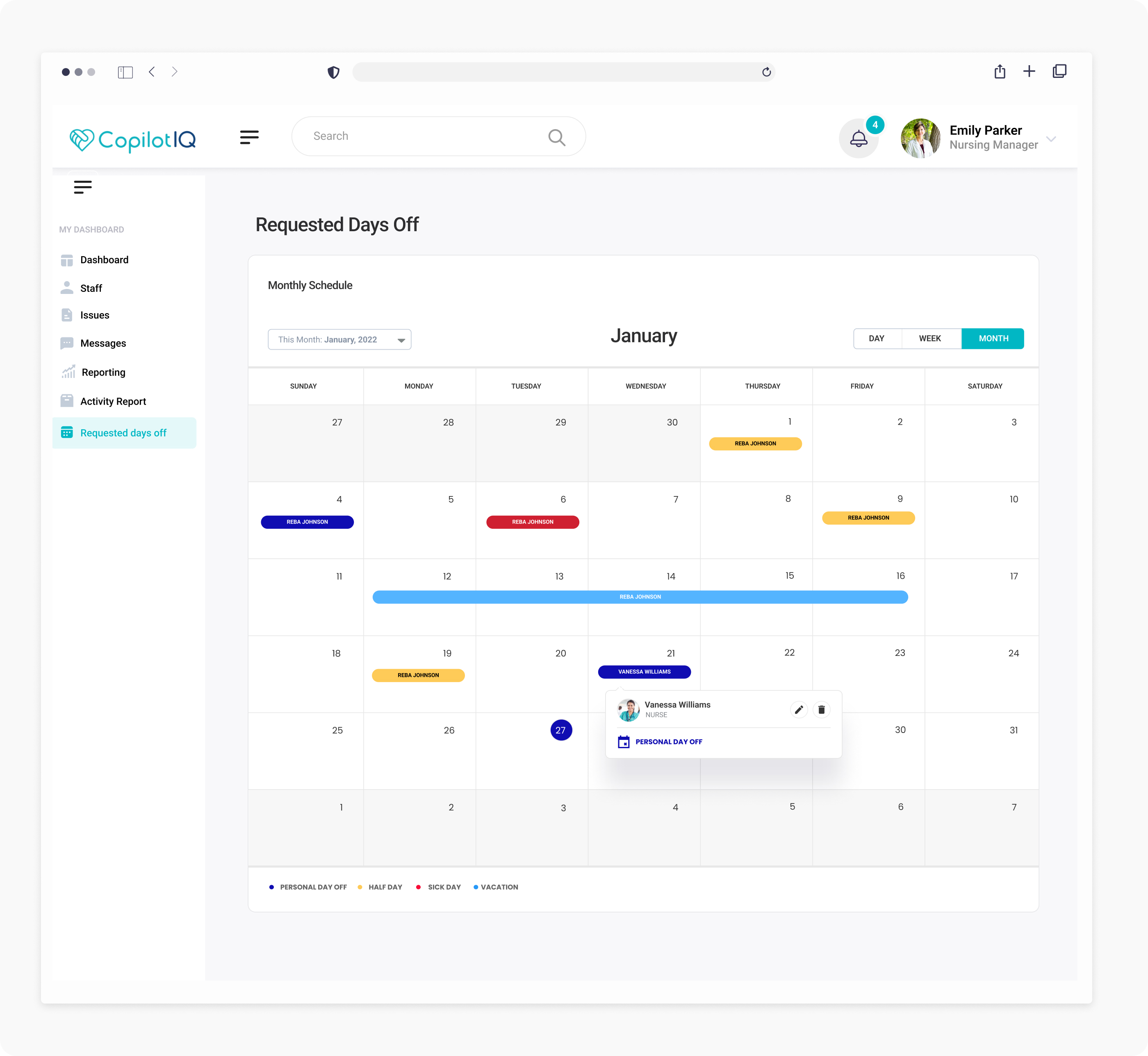
The Nursing manager through a dffferent user type login, will be able to track the performance of each individual nurse and also of the entire nursing team. This gives the nursing manager a global view of the daily operations and nurse to patient interactions.
With the use of connected devices and leveraging data analytics and machine learning we were now able to anticipate potential health issues before they manifest clinically. These insights enable proactive interventions, personalized healthcare recommendations, and early detection of diseases.
The new secure platform was a huge success post launch as it filled an susbtantial gap in account managament and intuitive use. Furthermore, the engagement and daily usage increased on a monthly basis. Cost of operations and customer service call reduction was a great benefit to the organization as well. A win-win for both users and the business.