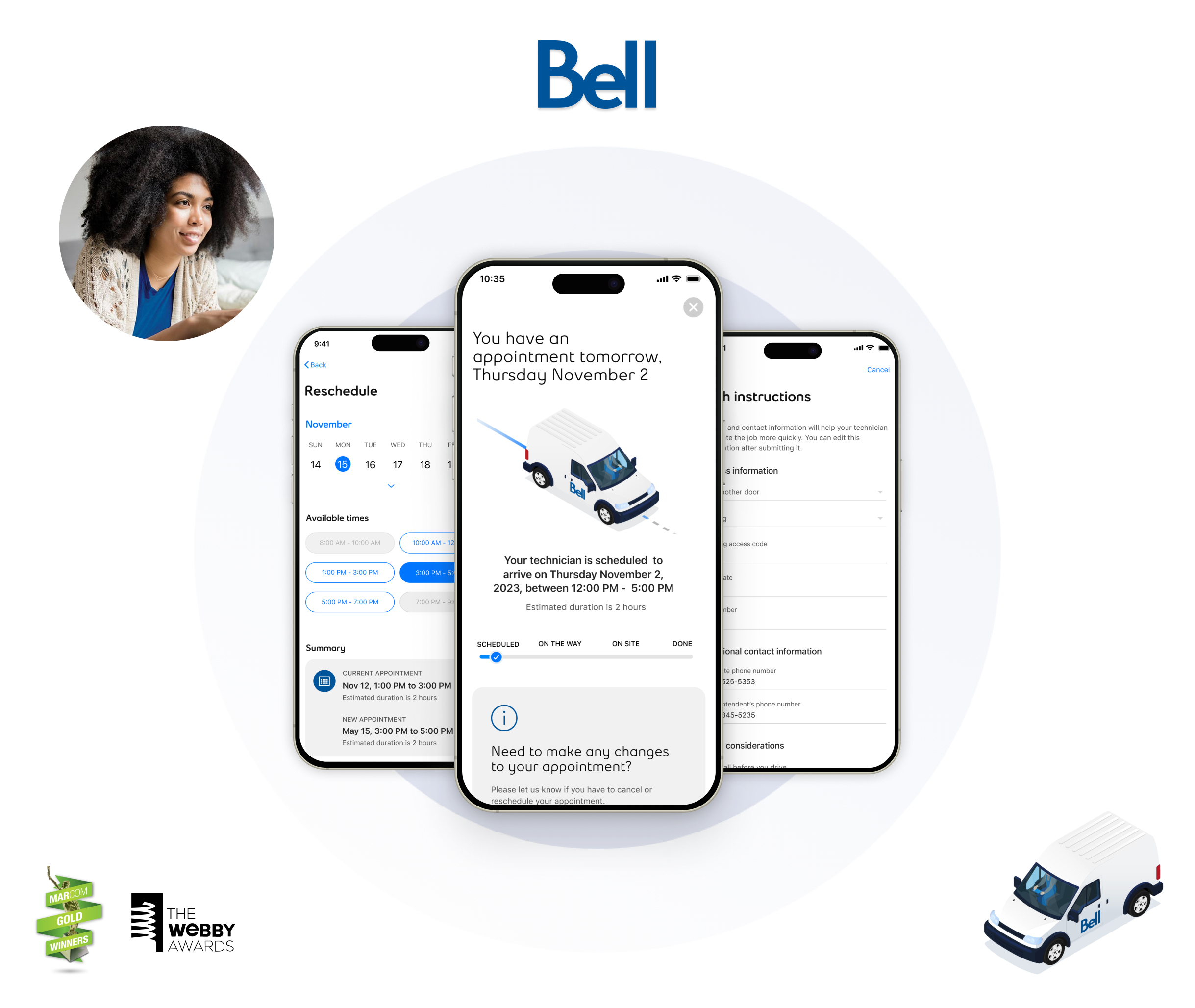
During COVID-19, Bell needed a safe, reliable way for customers to request technician visits without in-store or call-center dependency.
I led UX direction for improving field technician workflows within the MyBell Mobile ecosystem. The initiative focused on reducing task ambiguity, increasing completion reliability, and aligning mobile interactions with operational realities in the field.
The work required balancing usability, system constraints, and cross-team dependencies within a regulated telecom environment.
MyBell Mobile supports millions of Bell customers. Bell’s field services operations relied on high-volume scheduling via call centers and retail support. COVID restrictions quickly made this model unsustainable.
Field Services tools enable technicians to manage appointments, service tasks, and customer interactions directly from mobile devices in real-world environments.
Technicians operate under time pressure, variable connectivity, and strict SLA requirements. Workflow clarity directly impacts service efficiency and customer satisfaction.
User frustrations:
The business problem:
I owned the end-to-end UX direction across:
I also partnered closely with product leadership to define scope and with engineering to balance ideal UX against system limitations.
The initiative focused on lowering operational strain during COVID while maintaining high-quality field service delivery. Key objectives included:
Goals
Constraints
Trade-offs were required to protect reliability while improving usability.
I benchmarked appointment flows from healthcare, utilities, and delivery platforms where safety and time windows are critical. The best experiences make scheduling fast, clarify preparation steps, and provide reliable day-of tracking while minimizing back-and-forth.
The strategic choice was simplicity over feature expansion.
Interviews and support ticket analysis highlighted a few consistent needs:
I designed a streamlined mobile experience that lets customers request a technician visit, schedule or reschedule time slots, add access details, and track the visit in real time, all in one place.
I simplified workflows around three principles:
Instead of redesigning everything, my focus was on removing friction points with highest operational impact.
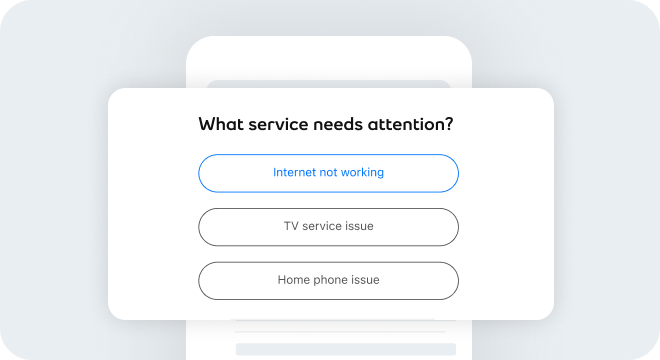
Customers describe the issue, pick the service type, and confirm contact details to initiate a technician visit without a call.
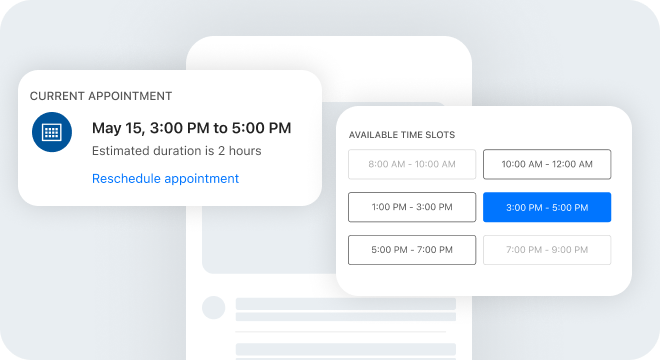
Flexible time slots and fast rescheduling reduce missed visits while keeping dispatch aligned to available capacity.
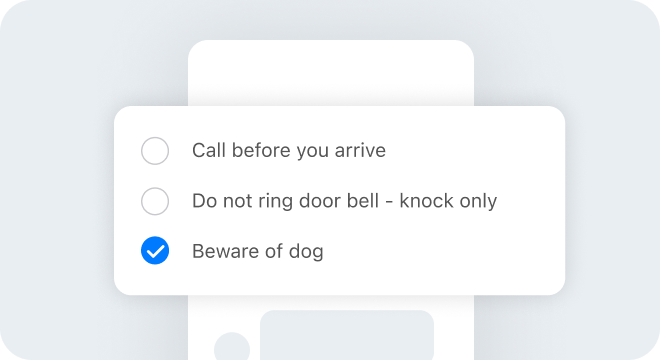
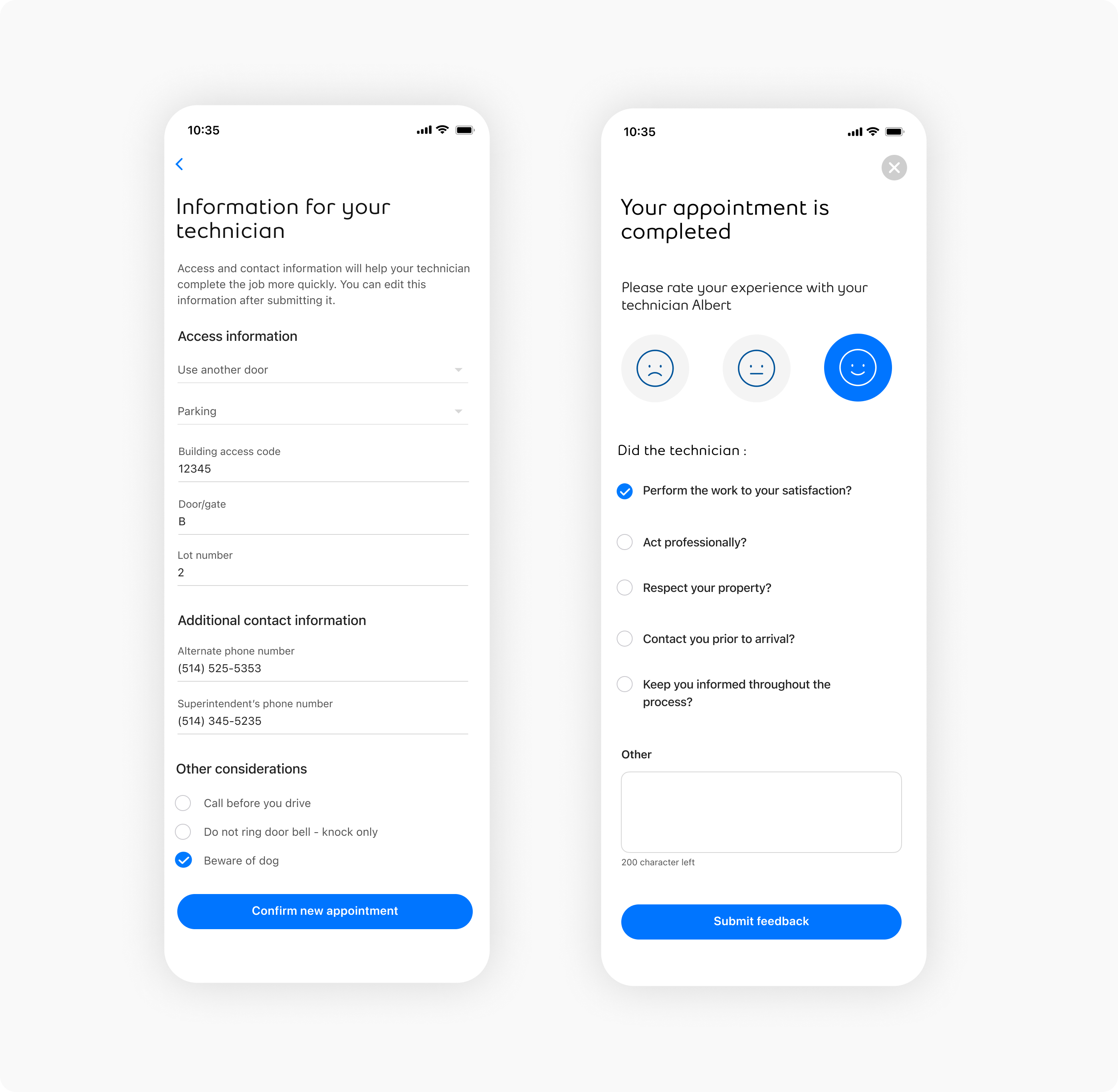
Customers can leave notes for the technician (entry, pets, parking, household constraints) to improve safety and efficiency.
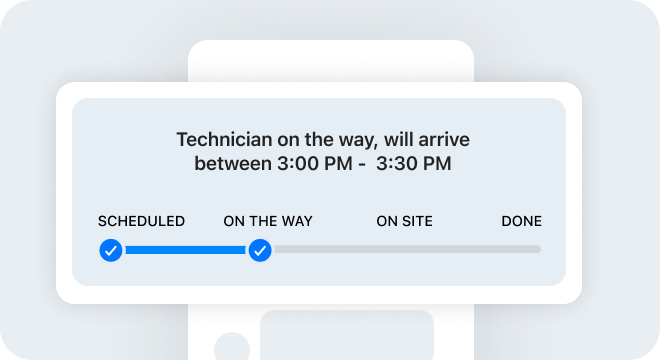
Day-of status, reminders, and technician ETA tracking improve confidence and reduce inbound status calls.
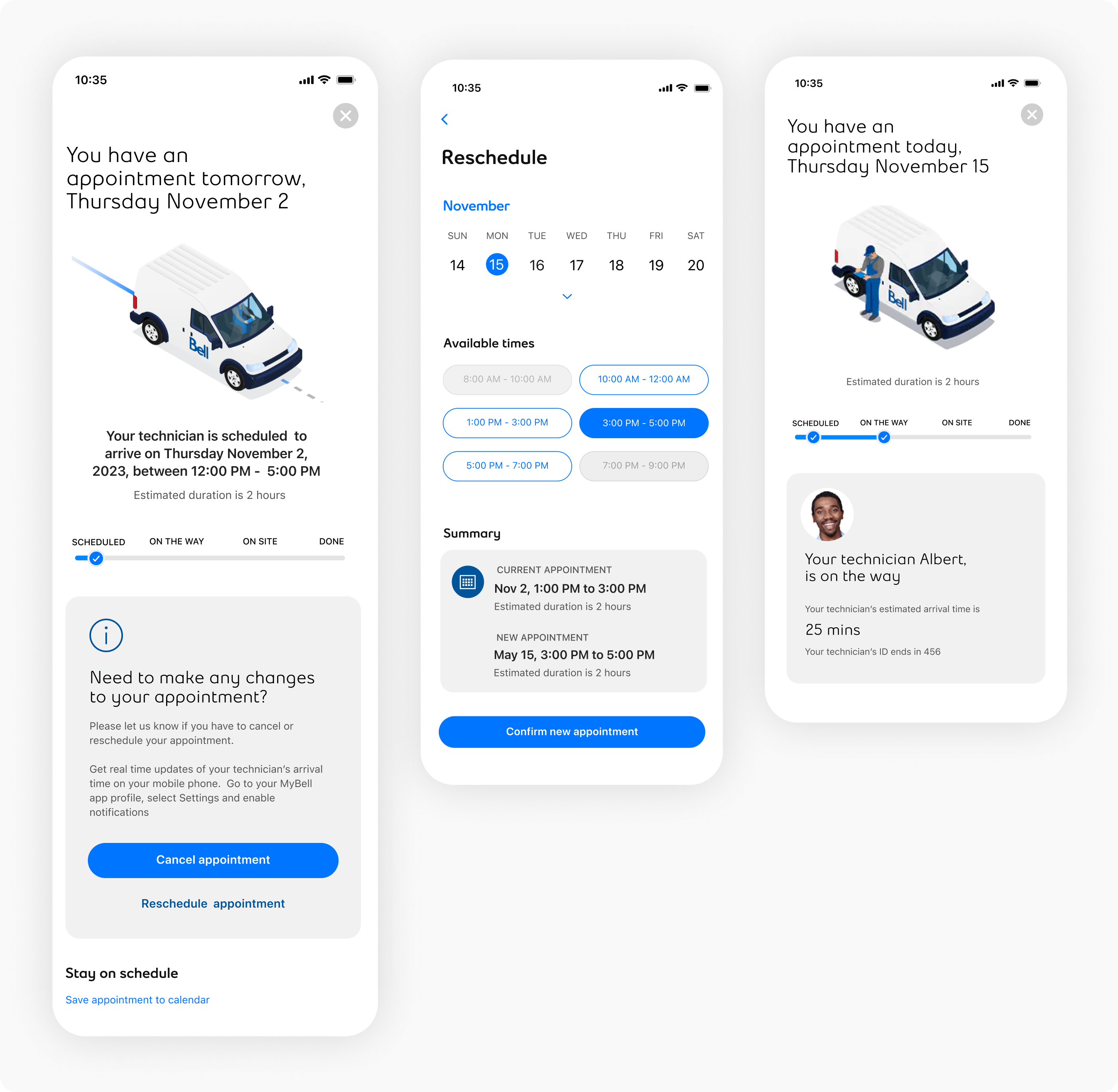
We intentionally deferred technician chat and live call-in features to protect scheduling stability in v1. While real-time communication could improve immediacy, it would have introduced infrastructure complexity and potential SLA instability. We prioritized a stable scheduling core to ensure predictable dispatch and operational continuity.
Trade-off: Immediacy vs reliability
Outcome: Reduced system risk in v1 and protected service-level performance.
There was pressure to introduce complex service-type branching within the request flow to accommodate edge cases.
I resisted expanding the intake structure because it overloaded the primary task path and increased cognitive load. Instead, we kept a short, focused intake and deferred rare edge cases to structured follow-up steps.
Trade-off: Speed and clarity vs comprehensive upfront coverage
Outcome: Faster task progression and reduced decision fatigue for technicians in the field.
Rather than designing entirely new operational systems, we aligned the front-end workflow to existing dispatch constraints.
We also introduced lightweight safety prompts within the existing flow instead of building new control layers. This minimized engineering lift while preserving compliance requirements.
Trade-off: Perfect systemic coverage vs pragmatic integration
Outcome: Lower delivery risk, faster implementation, and reduced dependency on backend changes.
We standardized appointment slots and instruction fields across services. This required trading flexibility for operational consistency. While customization options were reduced, dispatch routing became more predictable and error rates decreased.
Trade-off: Customization vs operational consistency
Impact: Improved routing efficiency and reduced missed visits through clearer, standardized inputs.